The British army was sent to Massachusetts to maintain order. It started a war instead. This is how our Revolutionary War began.


The British army was sent to Massachusetts to maintain order. It started a war instead. This is how our Revolutionary War began.
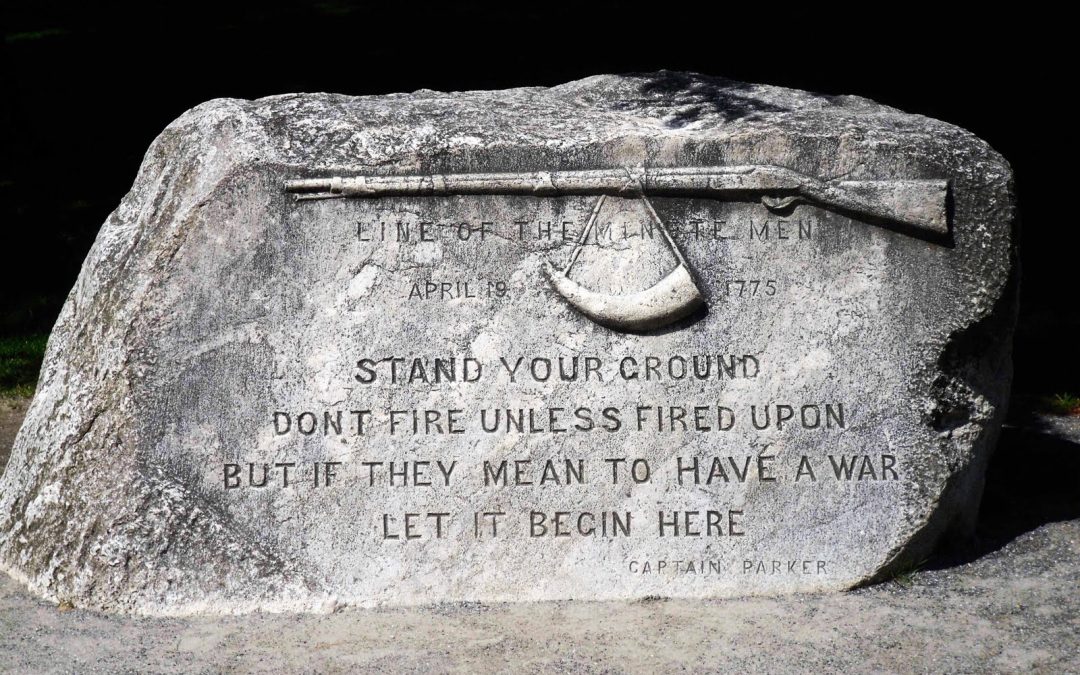
Graphic images of the Battle of Lexington, evolving over more than a century, have shaped the way Americans understand the beginning of the Revolutionary War.
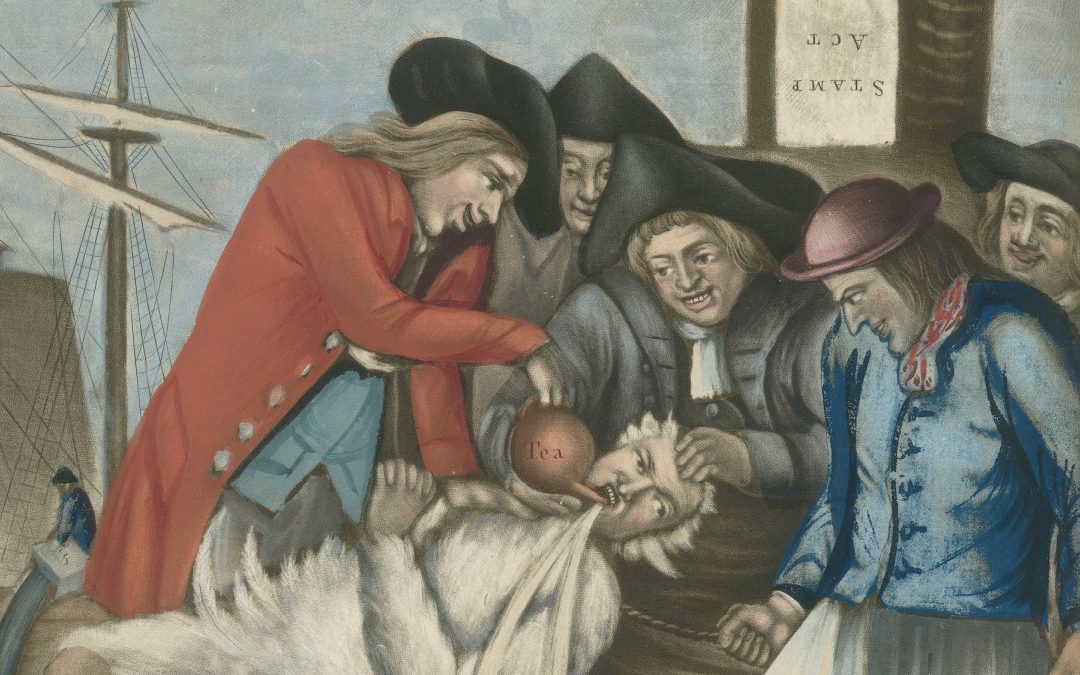
The story of John Malcom, coated with tar and feathers, reflects the changing nature of protest on the eve of the American Revolution.
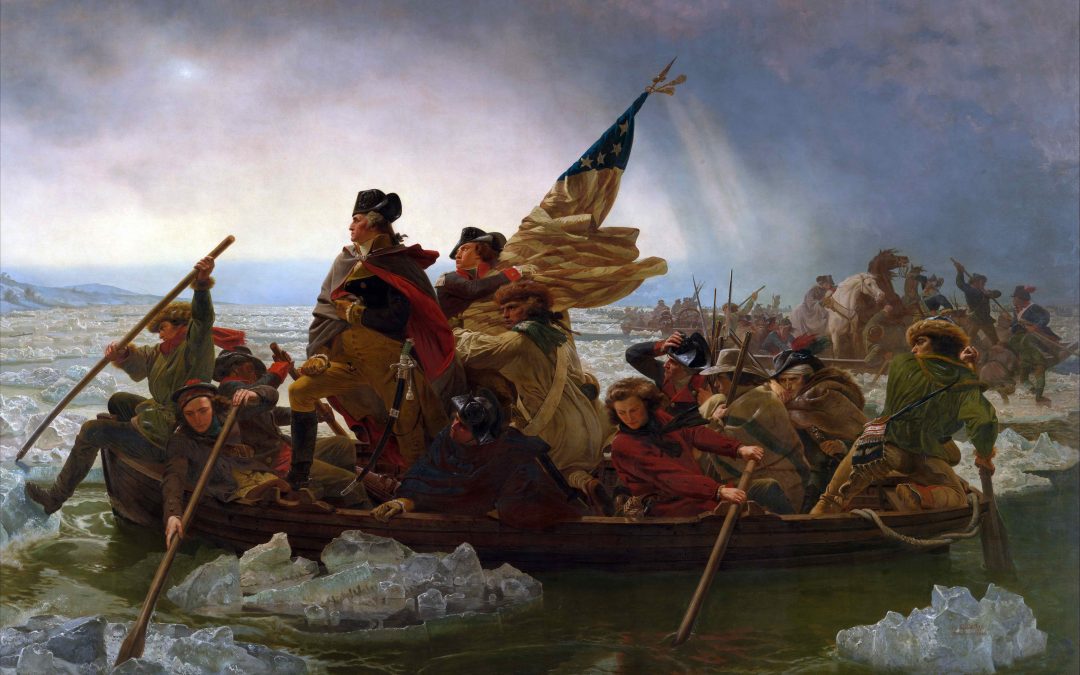
The American Revolution is our national epic and the source of freedom in American life.
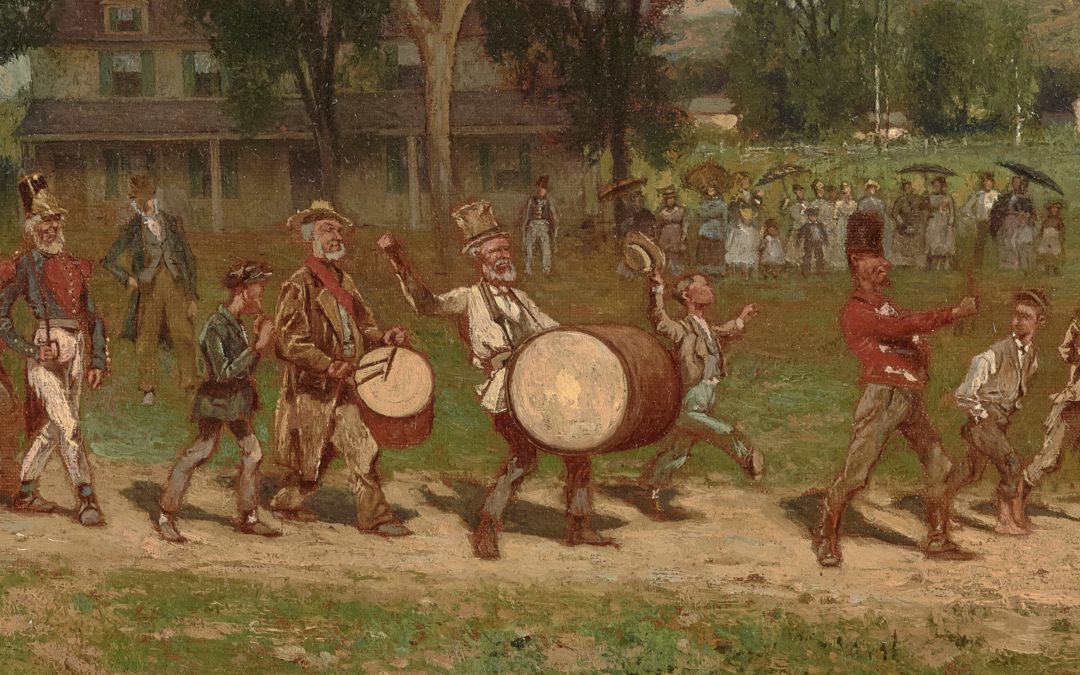
Before we declared our independence on July 4 we had to decide that we were independent. On July 2, 1776, we defied fear and doubt and became a nation.
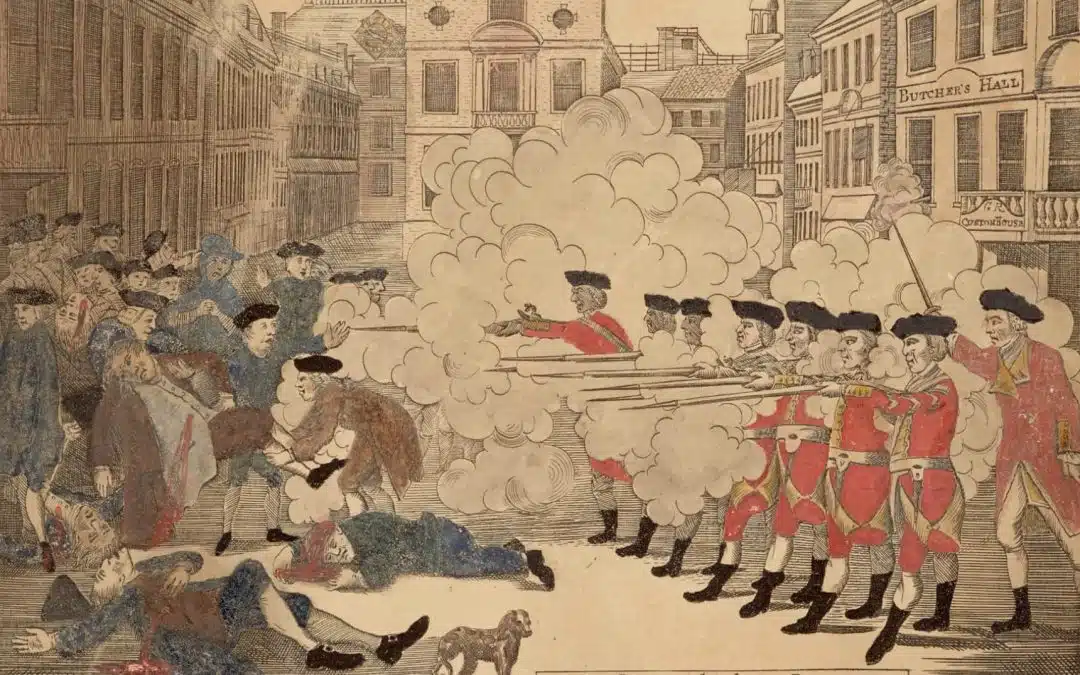
On the night of March 5, 1770, a party of British soldiers shot and killed five Bostonians in an event known ever since as the Boston Massacre. The killings shook the loyalty of Britain’s North American colonists to the British government. John Adams wrote that the “foundation of American independence was laid” that night. The basic outline of what happened is well established, although the fine details are elusive. The soldiers who participated in the killings were tried for murder, and dozens of eyewitness accounts were entered into...
Above: The Battle of Fredericksburg, December 13, 1862, Carl Rochling (1855-1920), late 19th century, Philadelphia Museum of Art, Gift of the estate of C.H.T. Collis, 1929
Join Us
Subscribe to The American Crisis — at no charge — and receive email notices of new features, participate in our reader polls, and keep current with news and discussions about American history and public life.
The American Crisis presents original historical writing, commentary and reflection on public life inspired by American history and traditions, and news and opinion about the conservation of American ideals and the rich cultural and natural resources we have inherited and for which we are responsible.
We are advocates for understanding and appreciating the American past, for the preservation of historic places, and for accurate and effective history education.
The Foundation of American Ideals advocates understanding and appreciation of independence, liberty, equality, natural and civil rights, and responsible citizenship — ideals at the heart of our national identity and shaped by our history and traditions.