Nineteenth-century Americans idolized Mary Washington. Twentieth-century historians dismissed her as a selfish shrew. The truth is more interesting.
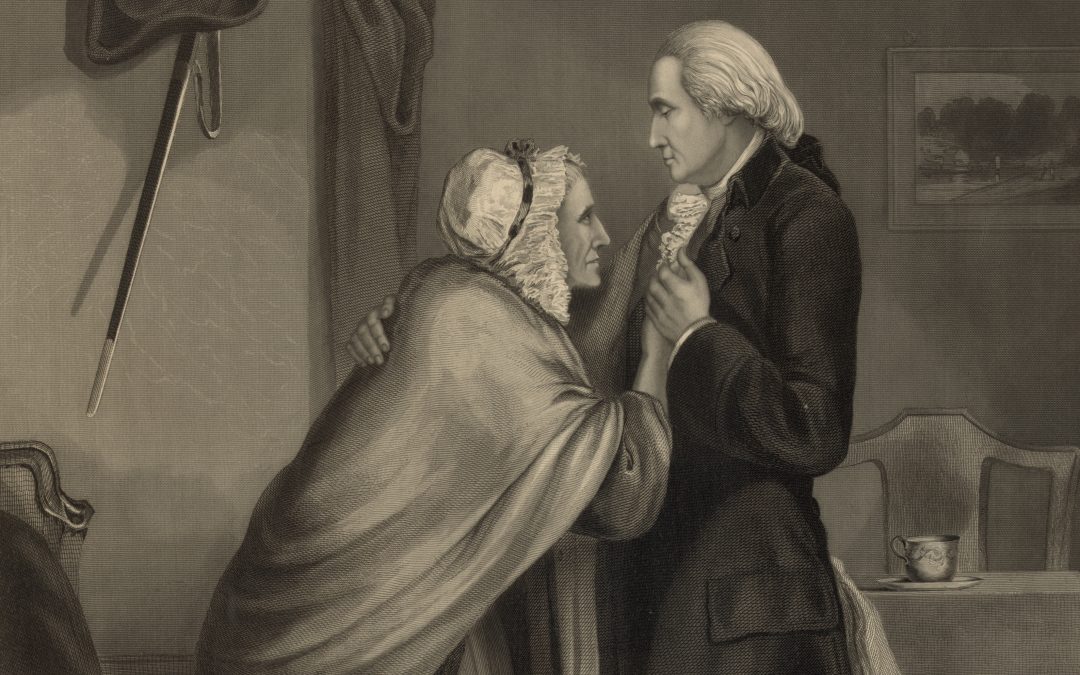

Nineteenth-century Americans idolized Mary Washington. Twentieth-century historians dismissed her as a selfish shrew. The truth is more interesting.

The third installment of our series on the 250th anniversary of independence — thirteen great images

Teaching history is not a partisan exercise. It is the transmission of culture — the beneficial inheritance of our shared past that frees us to live together.

The British army was sent to Massachusetts to maintain order. It started a war instead. This is how our Revolutionary War began.
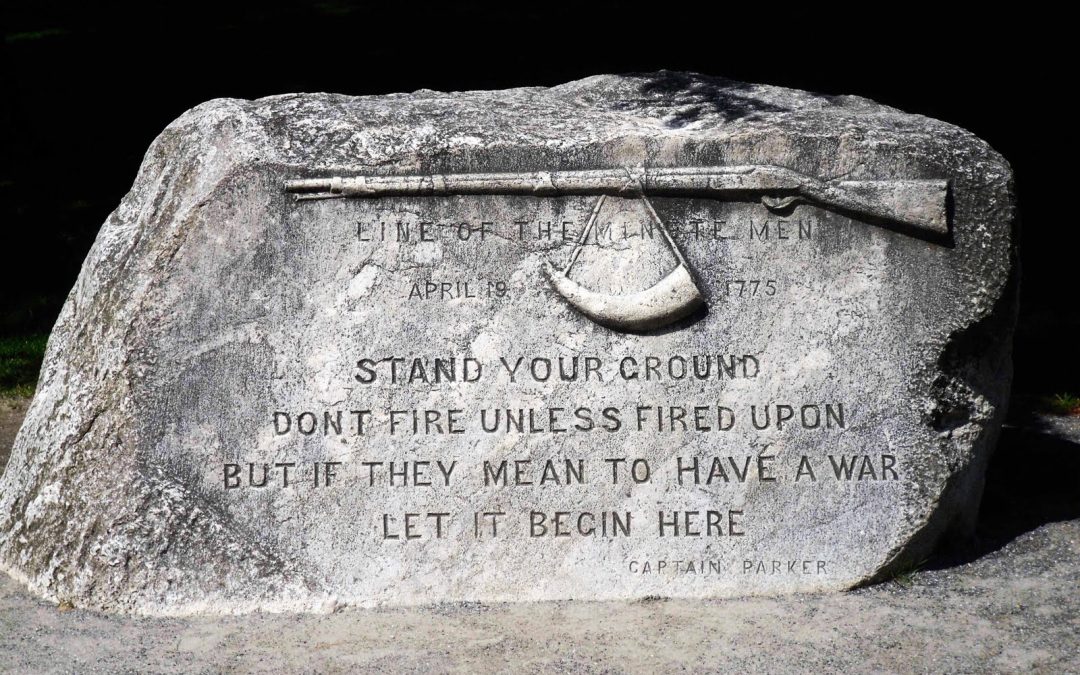
Graphic images of the Battle of Lexington, evolving over more than a century, have shaped the way Americans understand the beginning of the Revolutionary War.
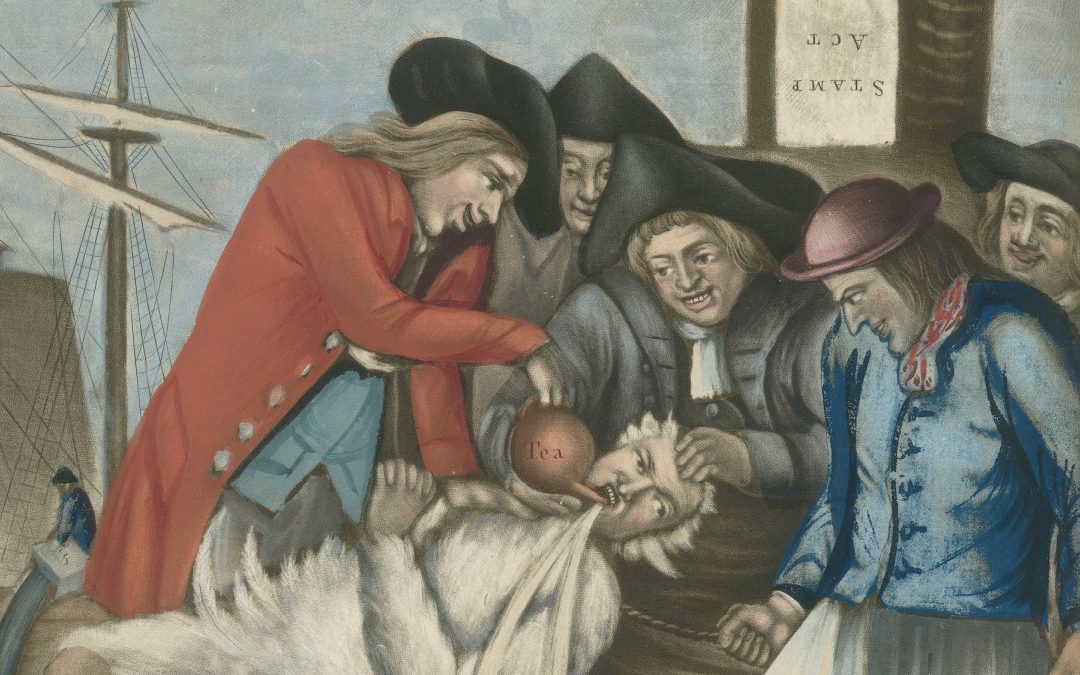
The story of John Malcom, coated with tar and feathers, reflects the changing nature of protest on the eve of the American Revolution.
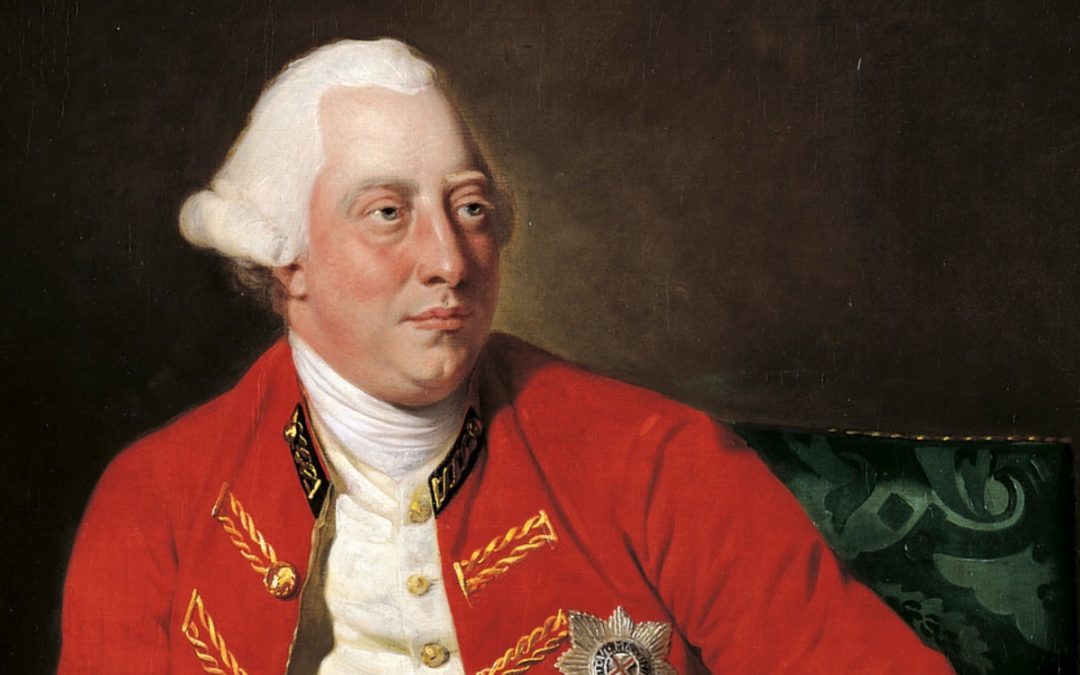
George III longed to be regarded as a patriot king. Johan Zoffany’s 1771 portrait cast the king in his favorite role with a daring visual allusion.
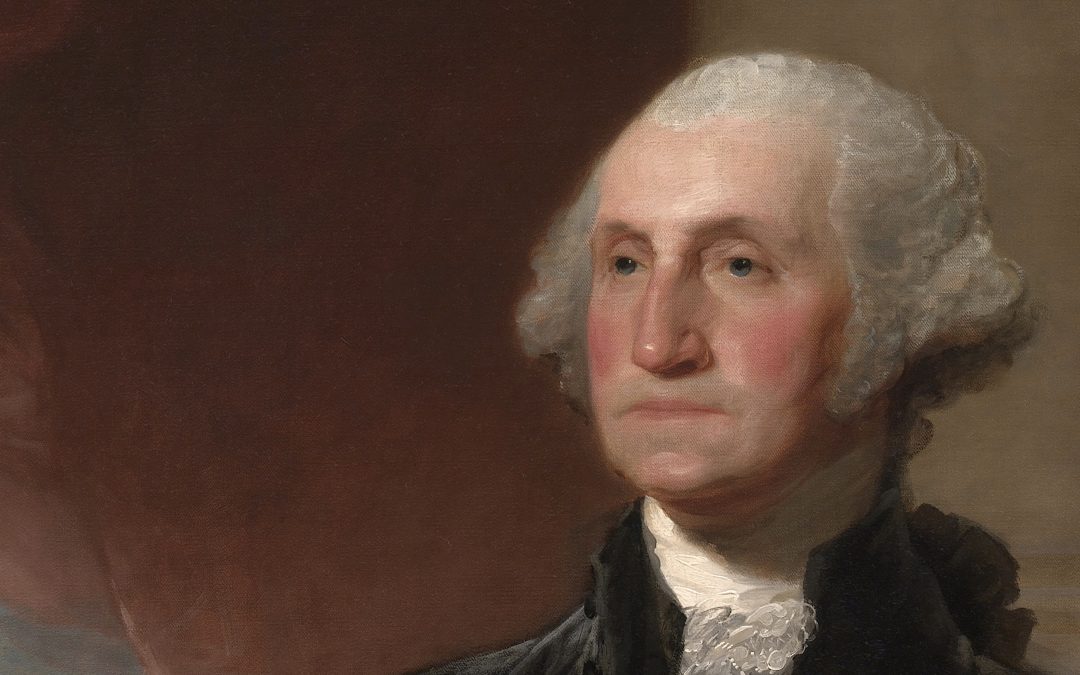
George Washington knew very little about his family history until an English genealogist spurred his interest. Washington pretended not to care.
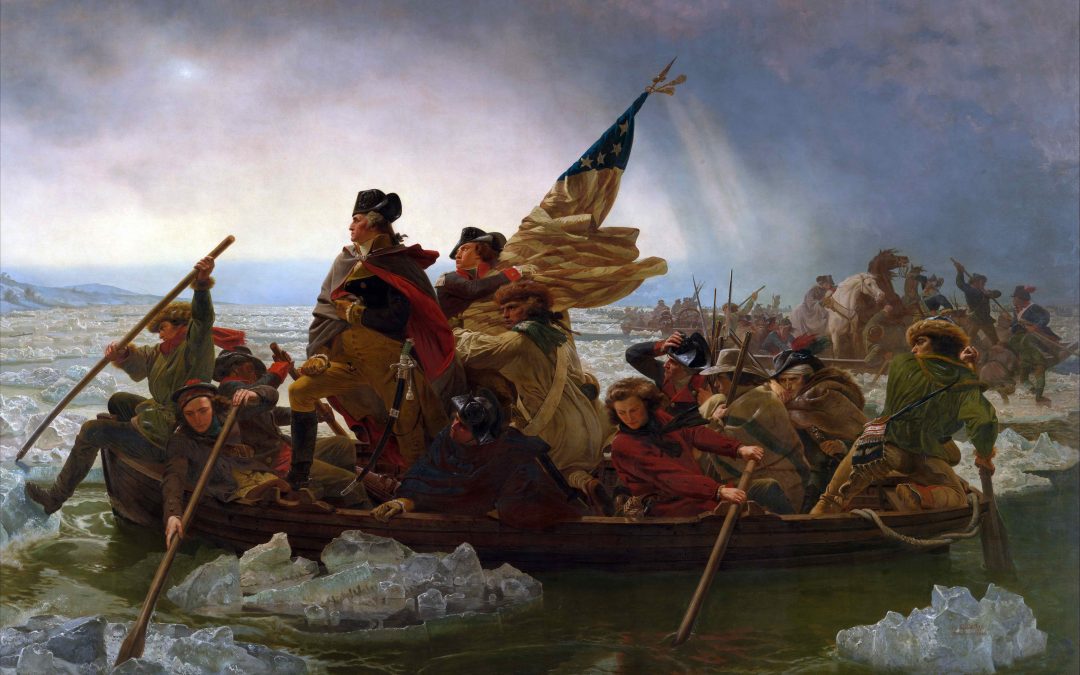
The American Revolution is our national epic and the source of freedom in American life.
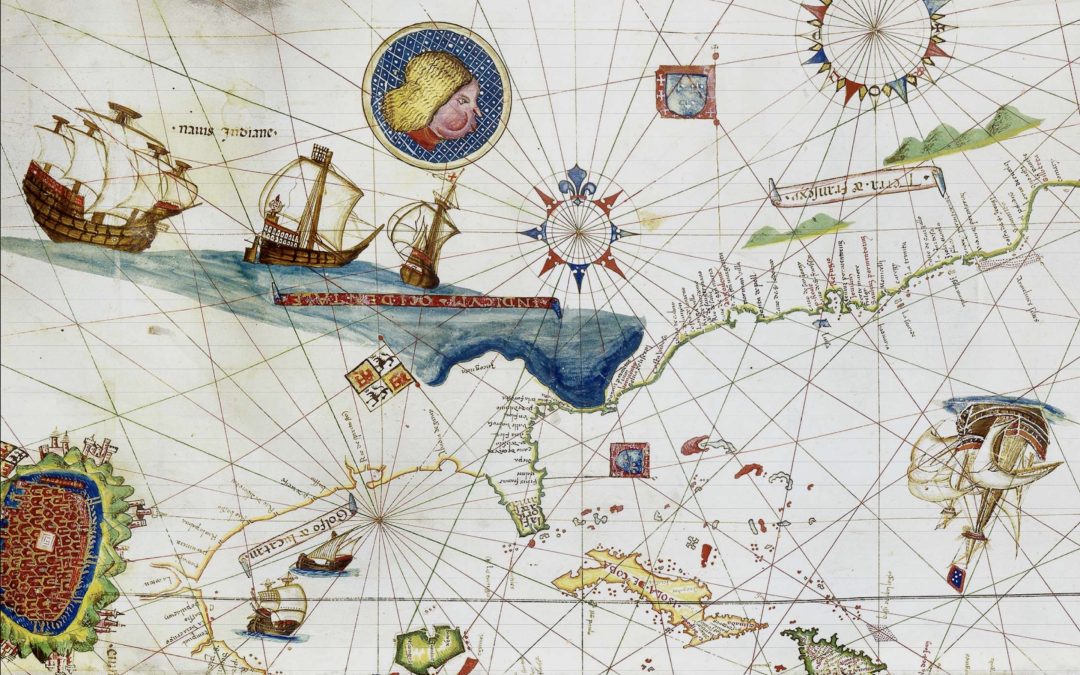
Five hundred years ago Giovanni da Verrazzano recorded the first observations of the Atlantic coast of the future United States. We still have much to learn.
Above: The Veteran in a New Field, Winslow Homer, 1865, Metropolitan Museum of Art, Bequest of Miss Adelaide Milton de Groot (1876-1967), 1967
Join Us
Subscribe to The American Crisis — at no charge — and receive email notices of new features, participate in our reader polls, and keep current with news and discussions about American history and public life.
The American Crisis presents original historical writing, commentary and reflection on public life inspired by American history and traditions, and news and opinion about the conservation of American ideals and the rich cultural and natural resources we have inherited and for which we are responsible.
We are advocates for understanding and appreciating the American past, for the preservation of historic places, and for accurate and effective history education.
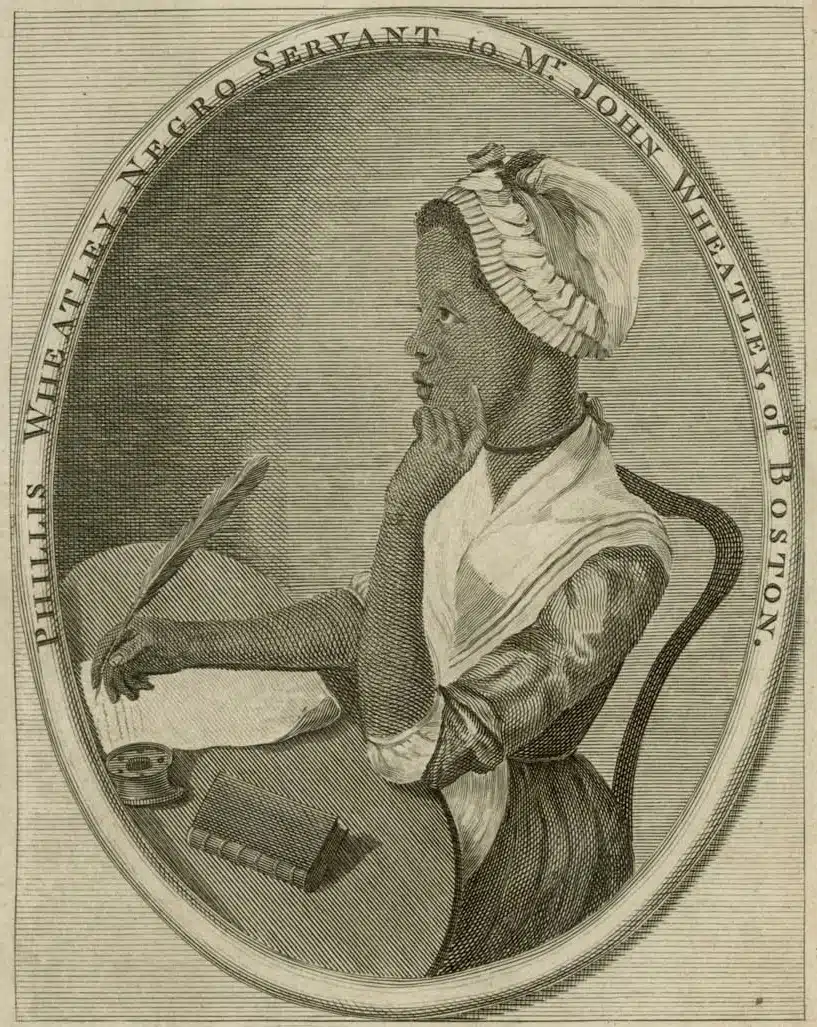
The Foundation of American Ideals advocates understanding and appreciation of independence, liberty, equality, natural and civil rights, and responsible citizenship — ideals at the heart of our national identity and shaped by our history and traditions.