Ebenezer Huntington rushed to join the American army in 1775. He threatened to resign many times, but he was too attached to the cause of the American Revolution to do it.
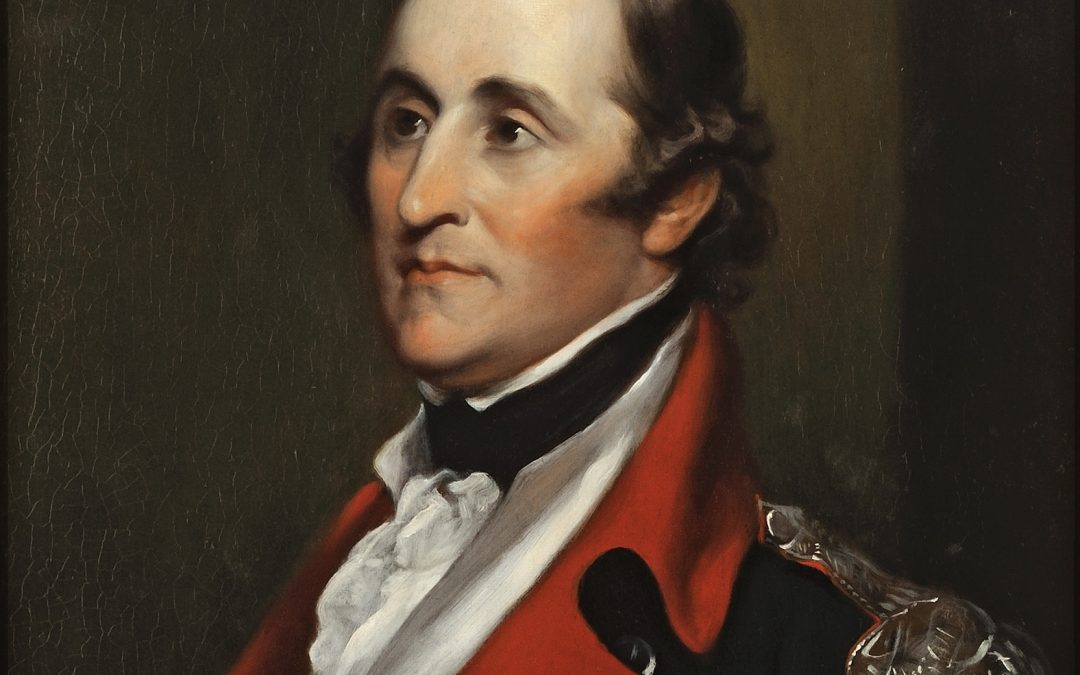

Ebenezer Huntington rushed to join the American army in 1775. He threatened to resign many times, but he was too attached to the cause of the American Revolution to do it.
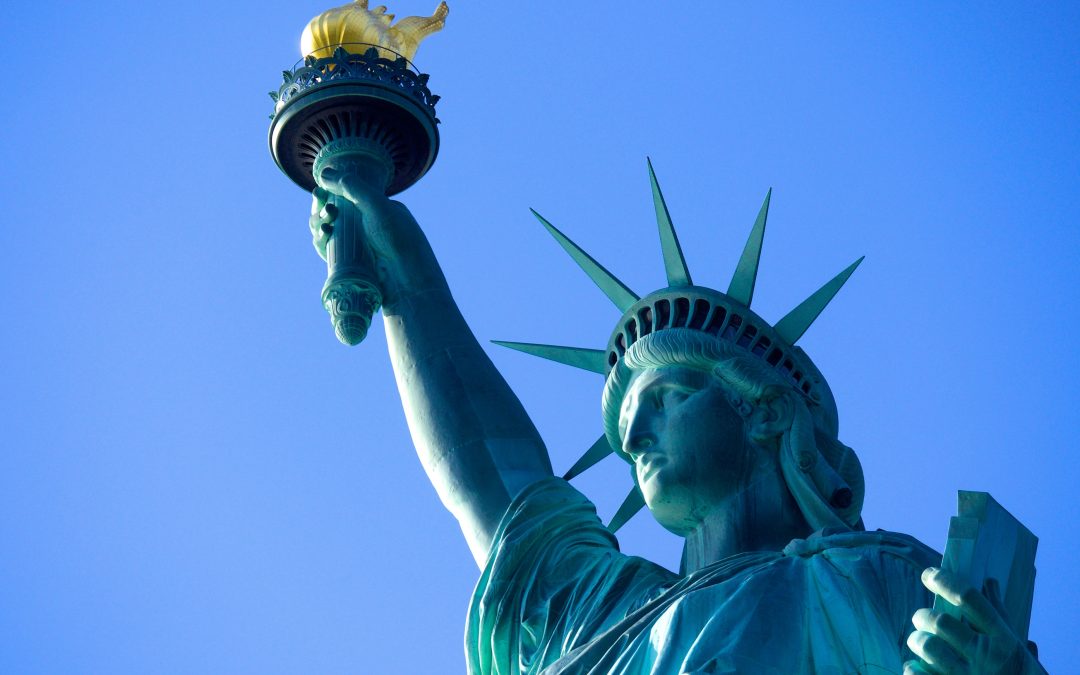
A member of the European Parliament suggested the U.S. return the Statue of Liberty, but it was “American Liberty” the statue was meant to memorialize.
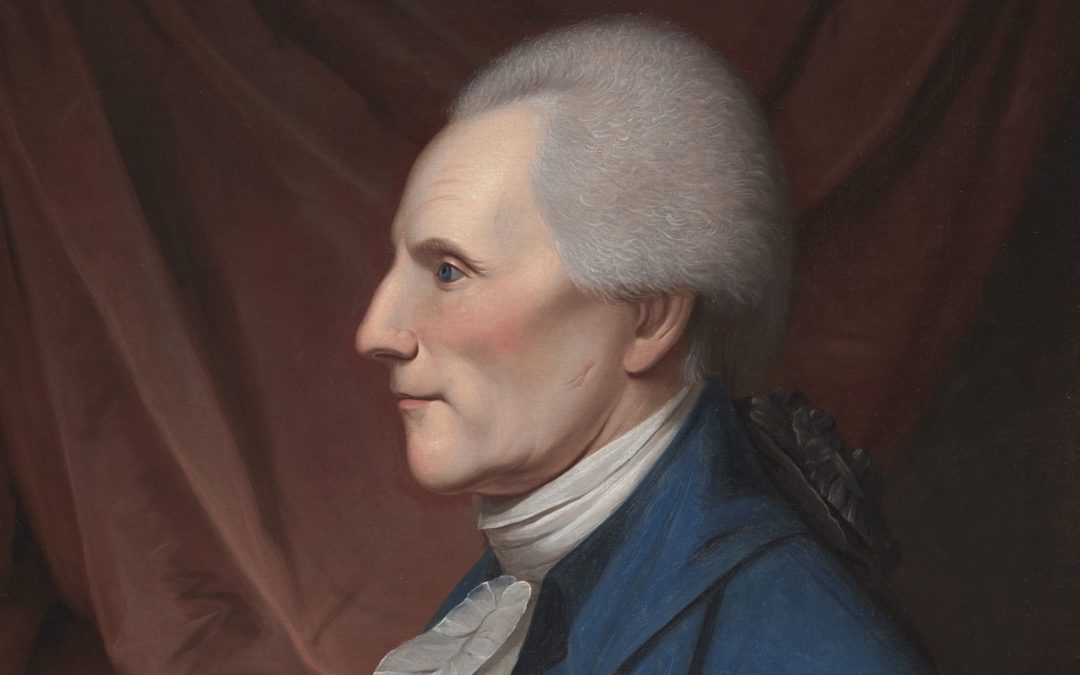
Richard Henry Lee embodied the idealism and the internal contradictions of the American Revolution. Committed to popular sovereignty, he hoped the people would defer to gentlemen.
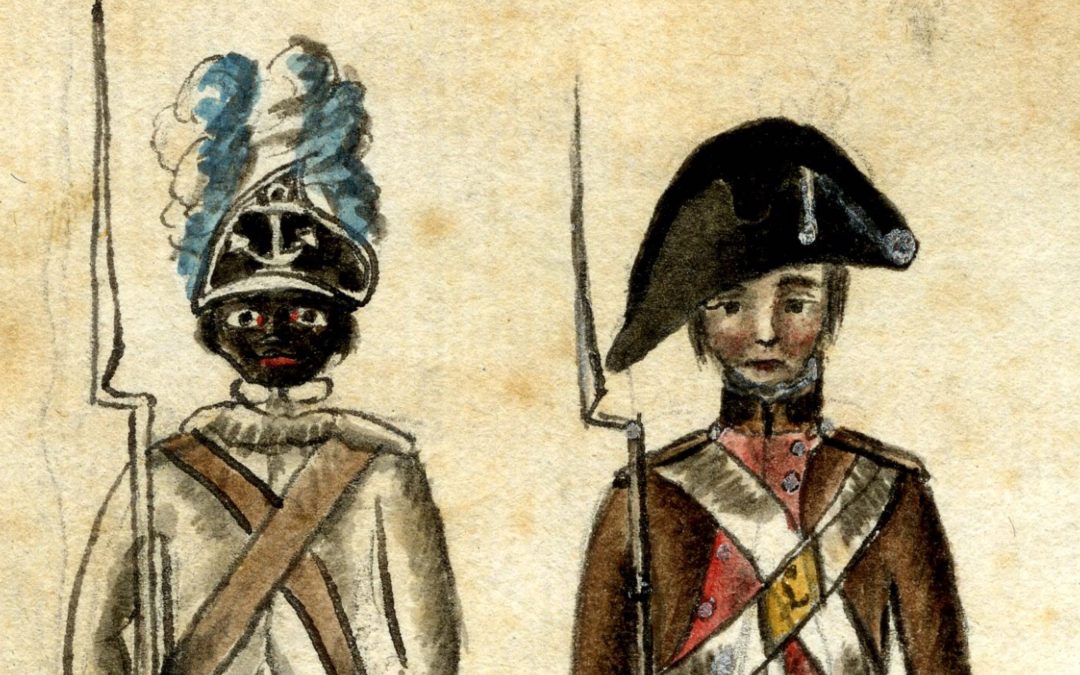
The story of Peter Hunter, one of thousands of black soldiers of our Revolutionary War, challenges us to recover the evidence of their commitment to freedom.
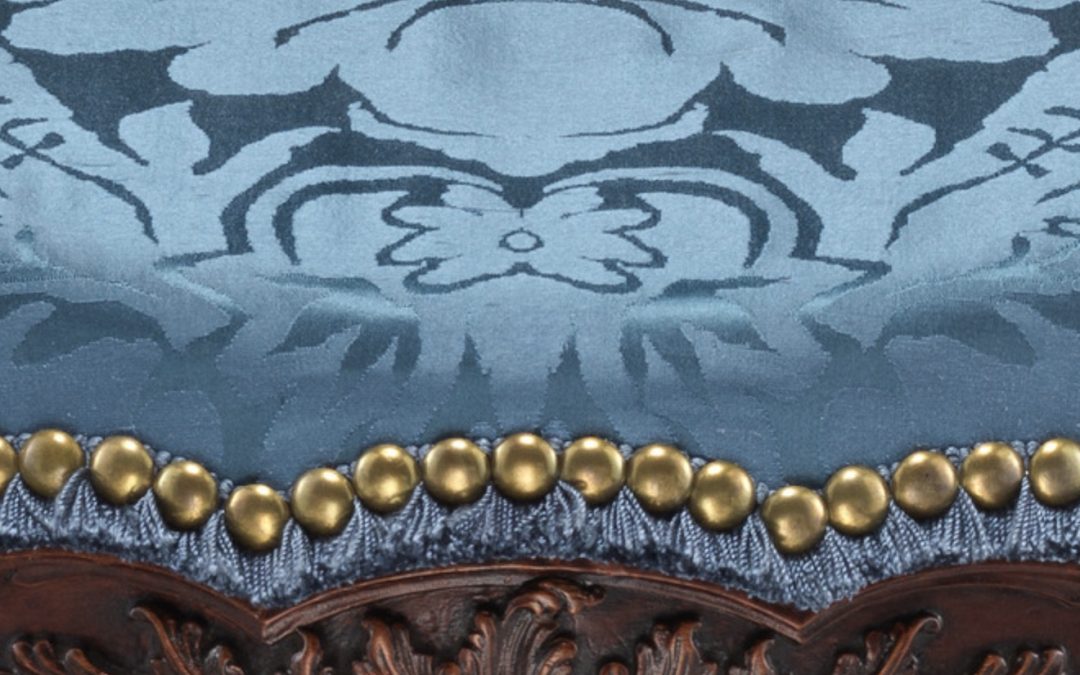
A prosperous craftsman who serves the wealthy is an unlikely sort of revolutionary, but Plunket Fleeson was committed to American independence. Why?
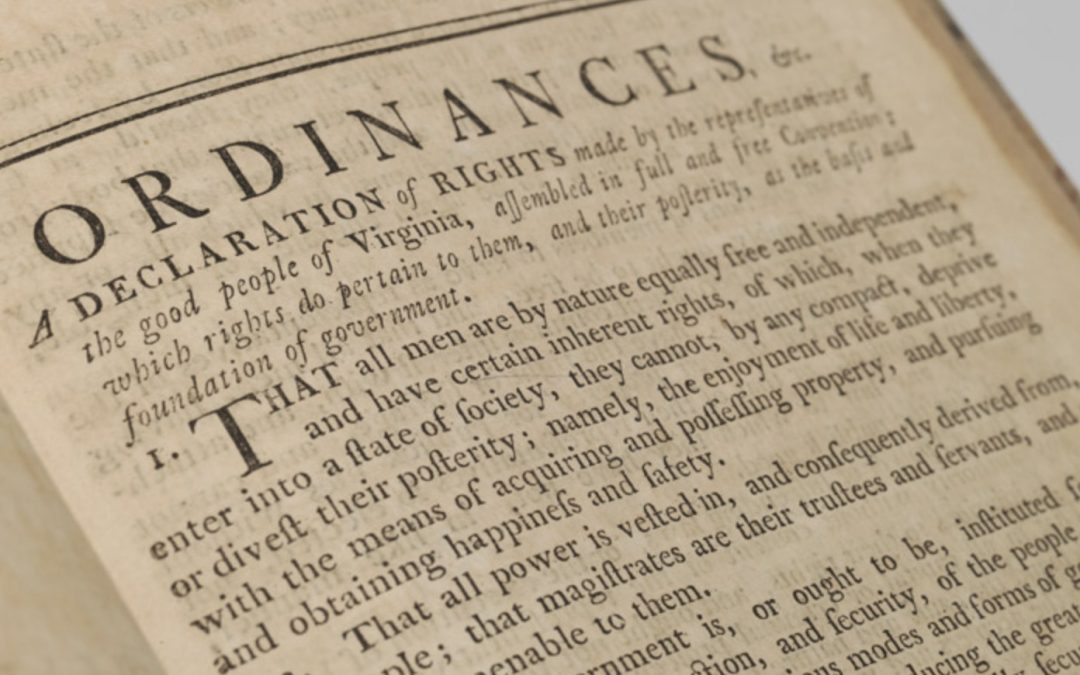
George Mason never sought fame, but should be remembered as the most influential advocate of natural and civil rights in the American Revolution.
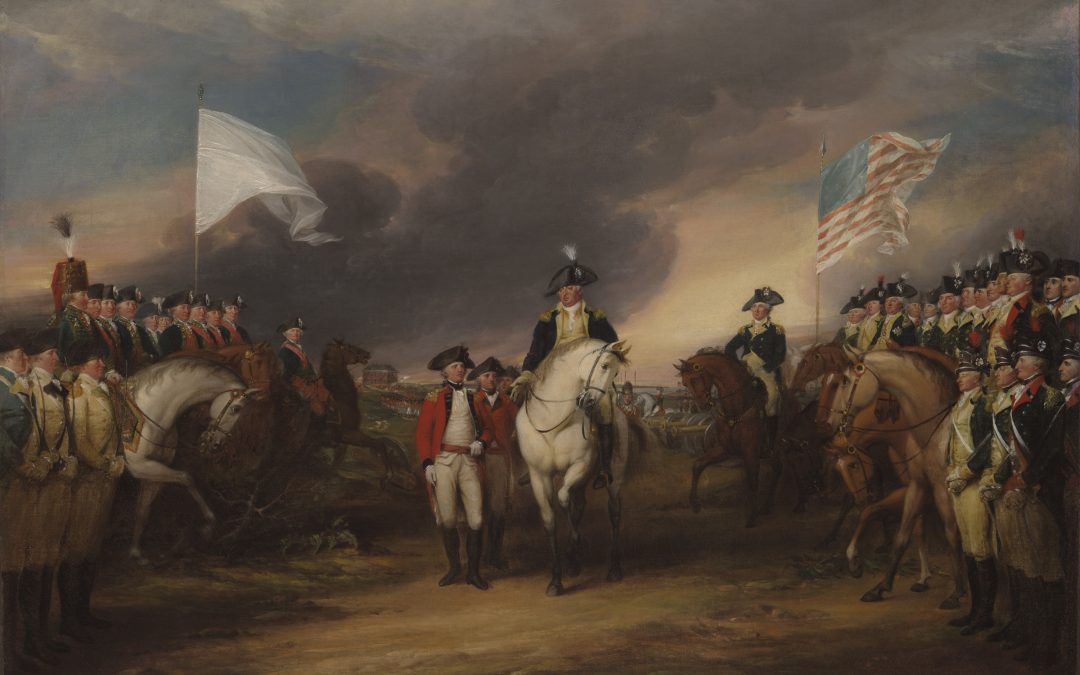
Benjamin Lincoln was devoted to independence, liberty, equality, and citizenship — values found in the everyday life of his community.

Jeffrey Brace endured the horrors of slavery, served with distinction in the Revolutionary War, and then claimed his freedom. His story has much to teach us.
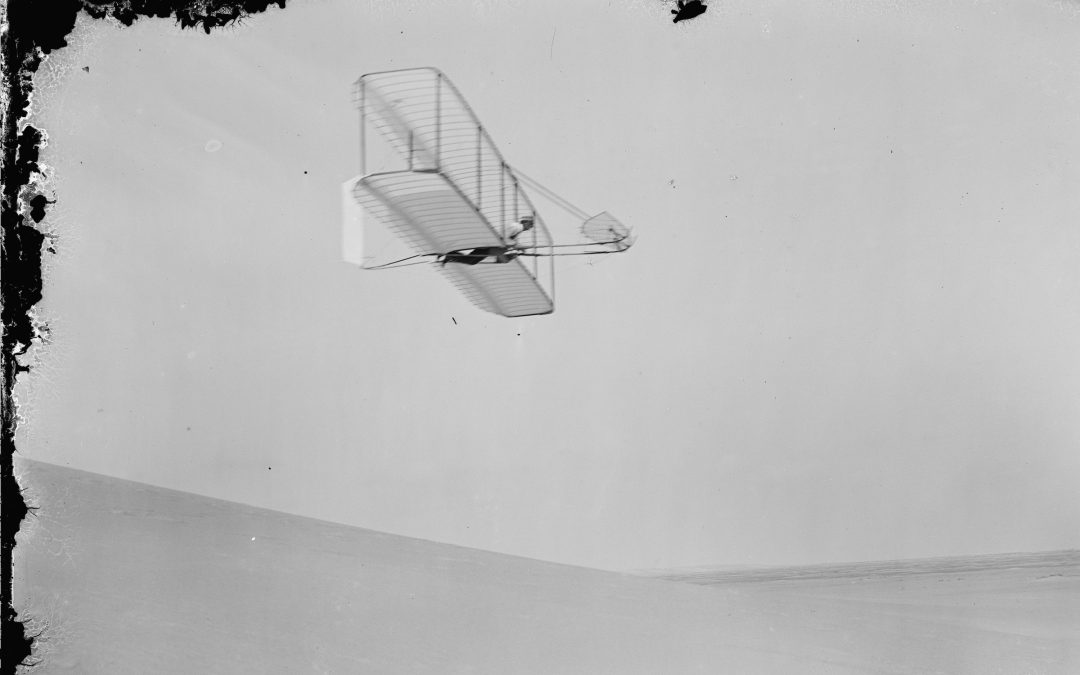
Character as much as technical knowledge enabled the Wright brothers to discover the secret of flight. Their story is a testament to daring and determination.

One snowy evening a Philadelphian named John Neagle met a homeless man huddled in a makeshift shelter. He turned out to be a veteran of the American Revolution.
Above: A Ride for Liberty — The Fugitive Slaves, Eastman Johnson, ca. 1862, oil on paper board, Brooklyn Museum, Gift of Gwendolyn O. L. Conkling
Join Us
Subscribe to The American Crisis — at no charge — and receive email notices of new features, participate in our reader polls, and keep current with news and discussions about American history and public life.
The American Crisis presents original historical writing, commentary and reflection on public life inspired by American history and traditions, and news and opinion about the conservation of American ideals and the rich cultural and natural resources we have inherited and for which we are responsible.
We are advocates for understanding and appreciating the American past, for the preservation of historic places, and for accurate and effective history education.
The Foundation of American Ideals advocates understanding and appreciation of independence, liberty, equality, natural and civil rights, and responsible citizenship — ideals at the heart of our national identity and shaped by our history and traditions.