A rare print of a bare-breasted woman clinging to a military officer reminds us the fall of Thomas Gage, whose career was upended by the American Revolution.
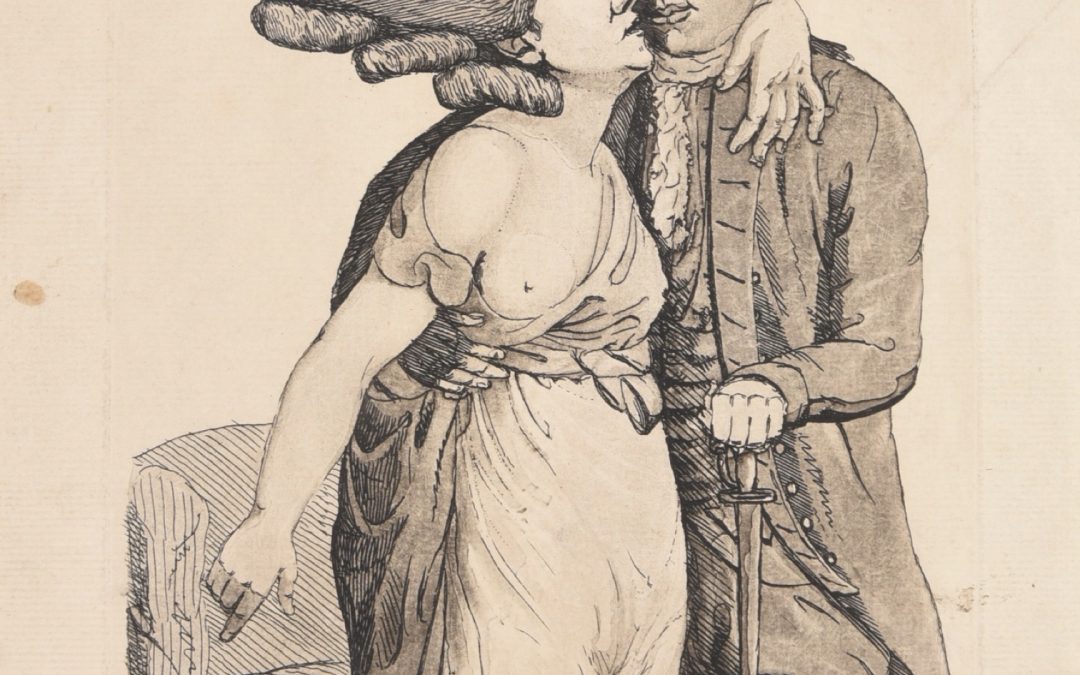

A rare print of a bare-breasted woman clinging to a military officer reminds us the fall of Thomas Gage, whose career was upended by the American Revolution.
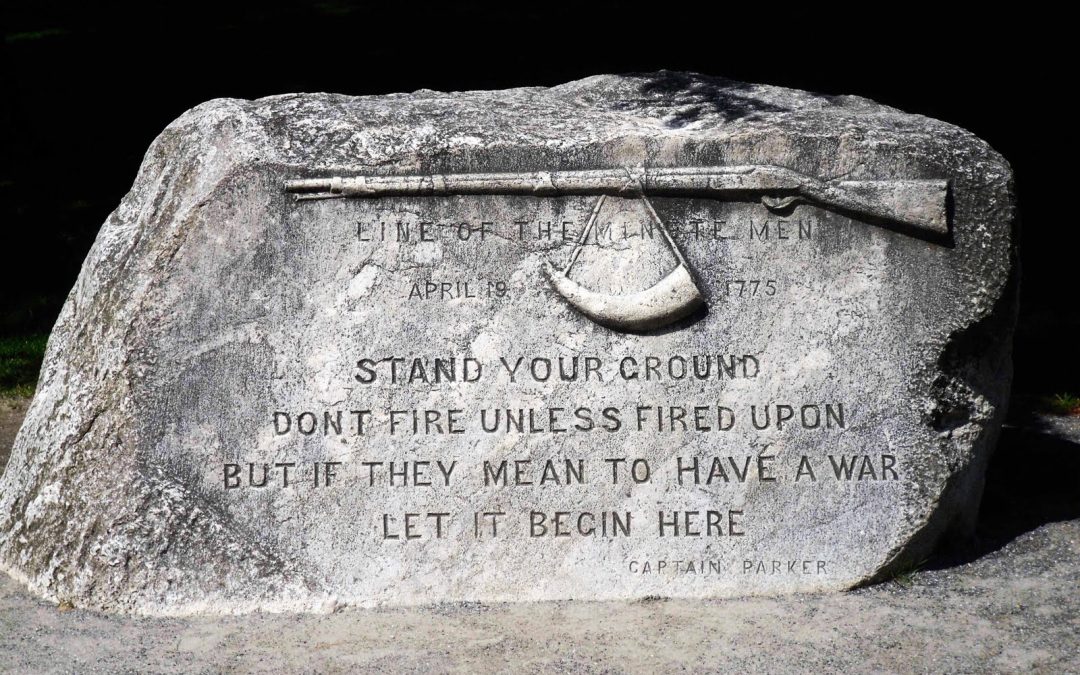
Graphic images of the Battle of Lexington, evolving over more than a century, have shaped the way Americans understand the beginning of the Revolutionary War.
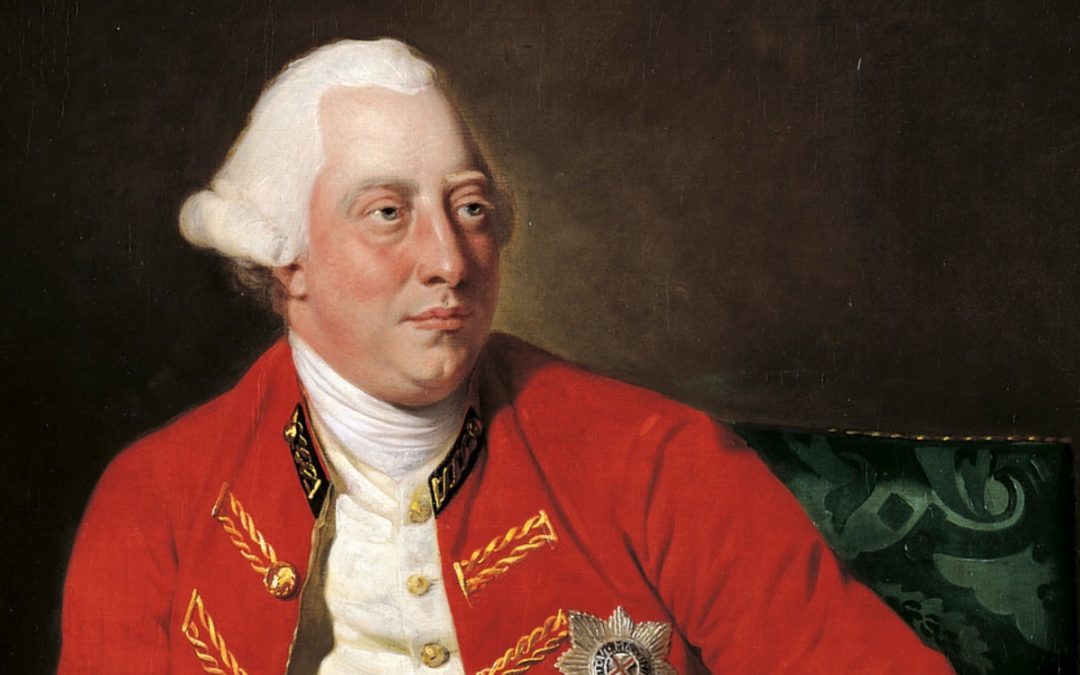
George III longed to be regarded as a patriot king. Johan Zoffany’s 1771 portrait cast the king in his favorite role with a daring visual allusion.

The Revolutionary War was fought decades before photography changed the way people far from the battlefields imagined the experience of war. Americans of the revolutionary generation relied on artists for images of battle, often engraved on copper or wood, printed, and sold for modest prices for display in homes or taverns or other public places. The first published depiction of a major Revolutionary War battle was a modest print titled A Correct View of The Late Battle at Charlestown June 17th. 1775. It was engraved by Robert Aitken, a...
Above: The Death of General Mercer at the Battle of Princeton, John Trumbull, ca. 1786-1831, Yale University Art Gallery
Join Us
Subscribe to The American Crisis — at no charge — and receive email notices of new features, participate in our reader polls, and keep current with news and discussions about American history and public life.
The American Crisis presents original historical writing, commentary and reflection on public life inspired by American history and traditions, and news and opinion about the conservation of American ideals and the rich cultural and natural resources we have inherited and for which we are responsible.
We are advocates for understanding and appreciating the American past, for the preservation of historic places, and for accurate and effective history education.
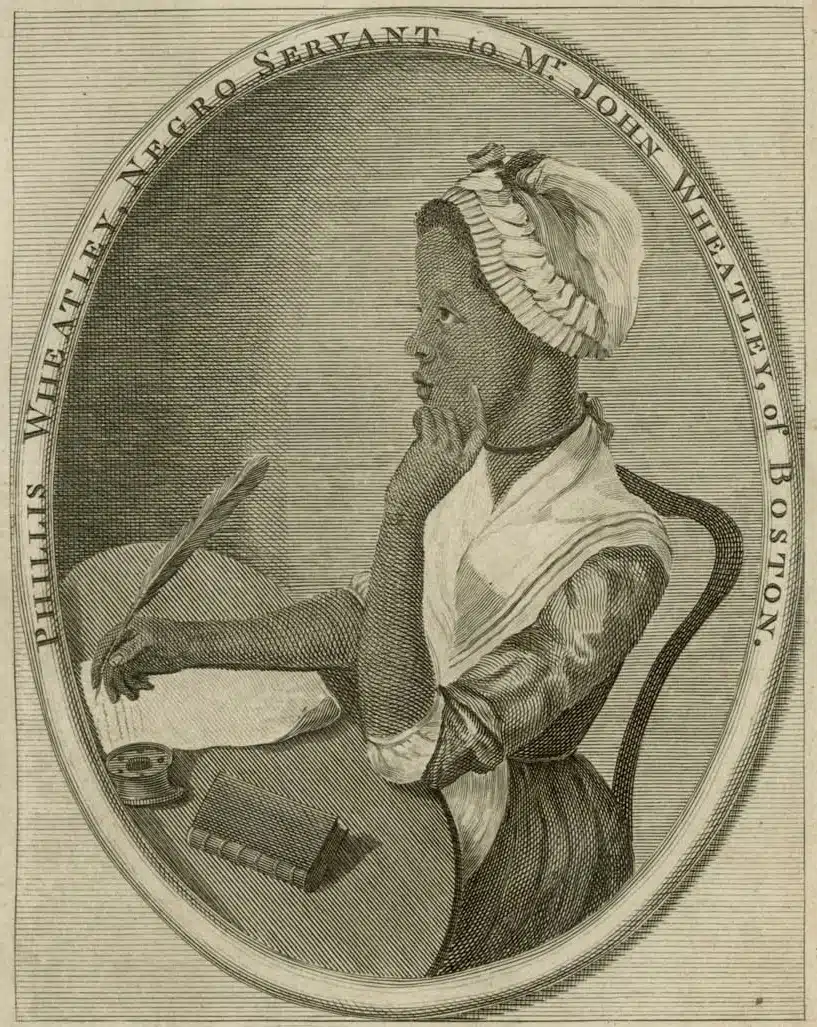
The Foundation of American Ideals advocates understanding and appreciation of independence, liberty, equality, natural and civil rights, and responsible citizenship — ideals at the heart of our national identity and shaped by our history and traditions.