The American Crisis

A Journal of History, Reflection, and Commentary

Visions

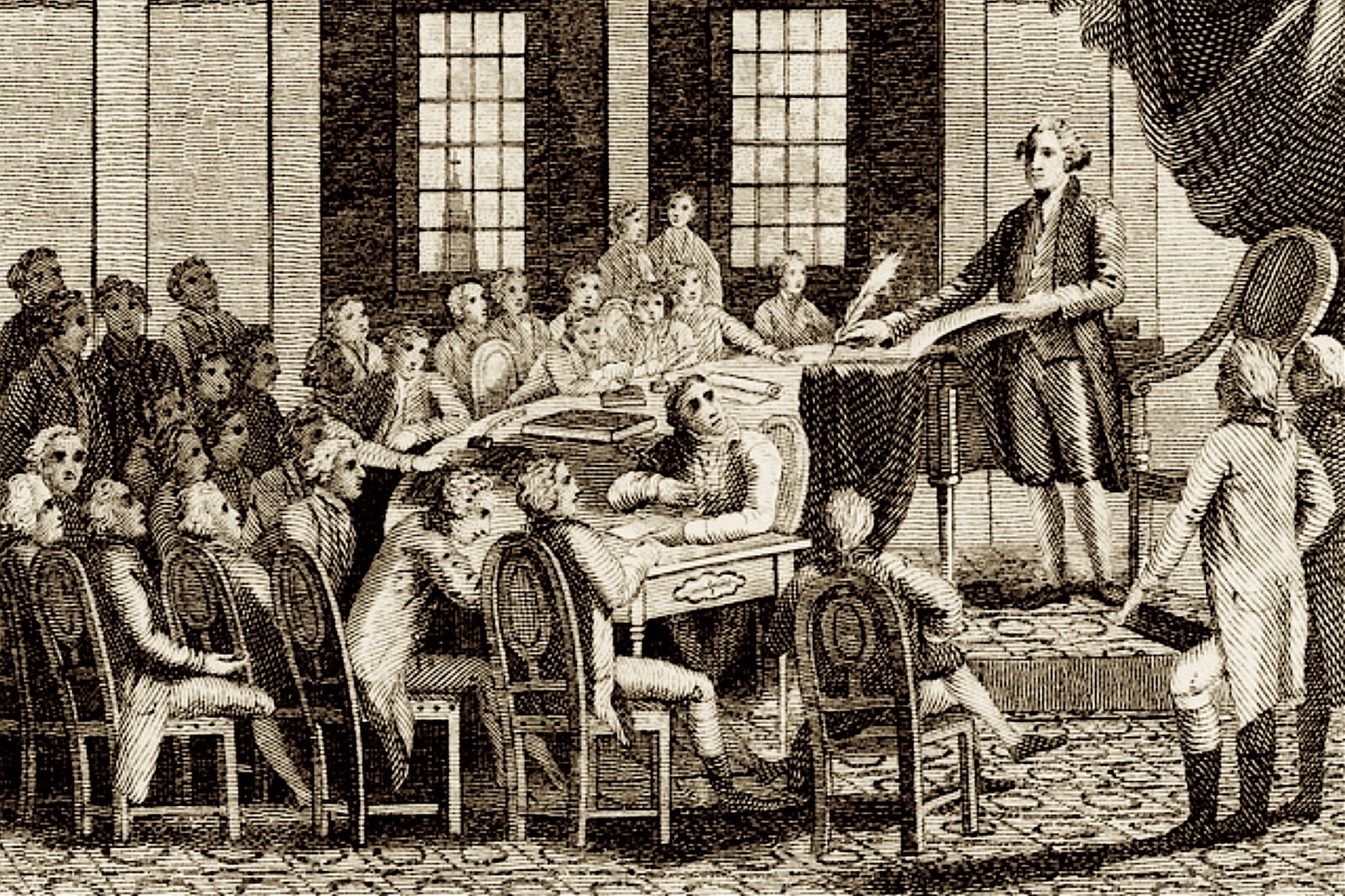
The Seduction of Thomas Gage

In 1776 Britons wondered how relations with the colonies could have gone so wrong. An anonymous print maker suggested an answer.

Events

How Our Revolutionary War Began

The British army was sent to Massachusetts to maintain order. It started a war instead.
 

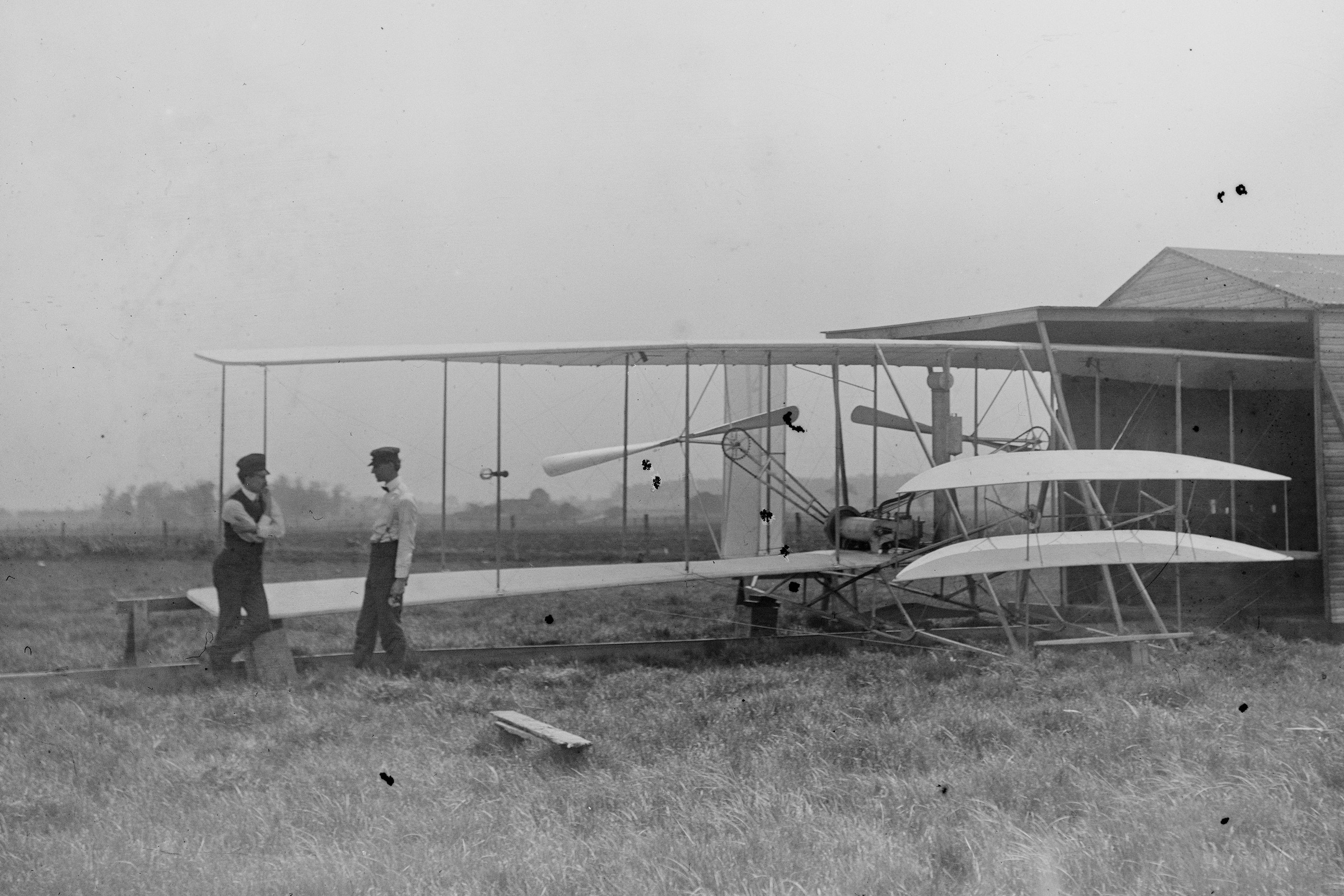
This is a photograph taken a few seconds after the 1903 Wright flyer took off on the first powered airplane flight.

Visions

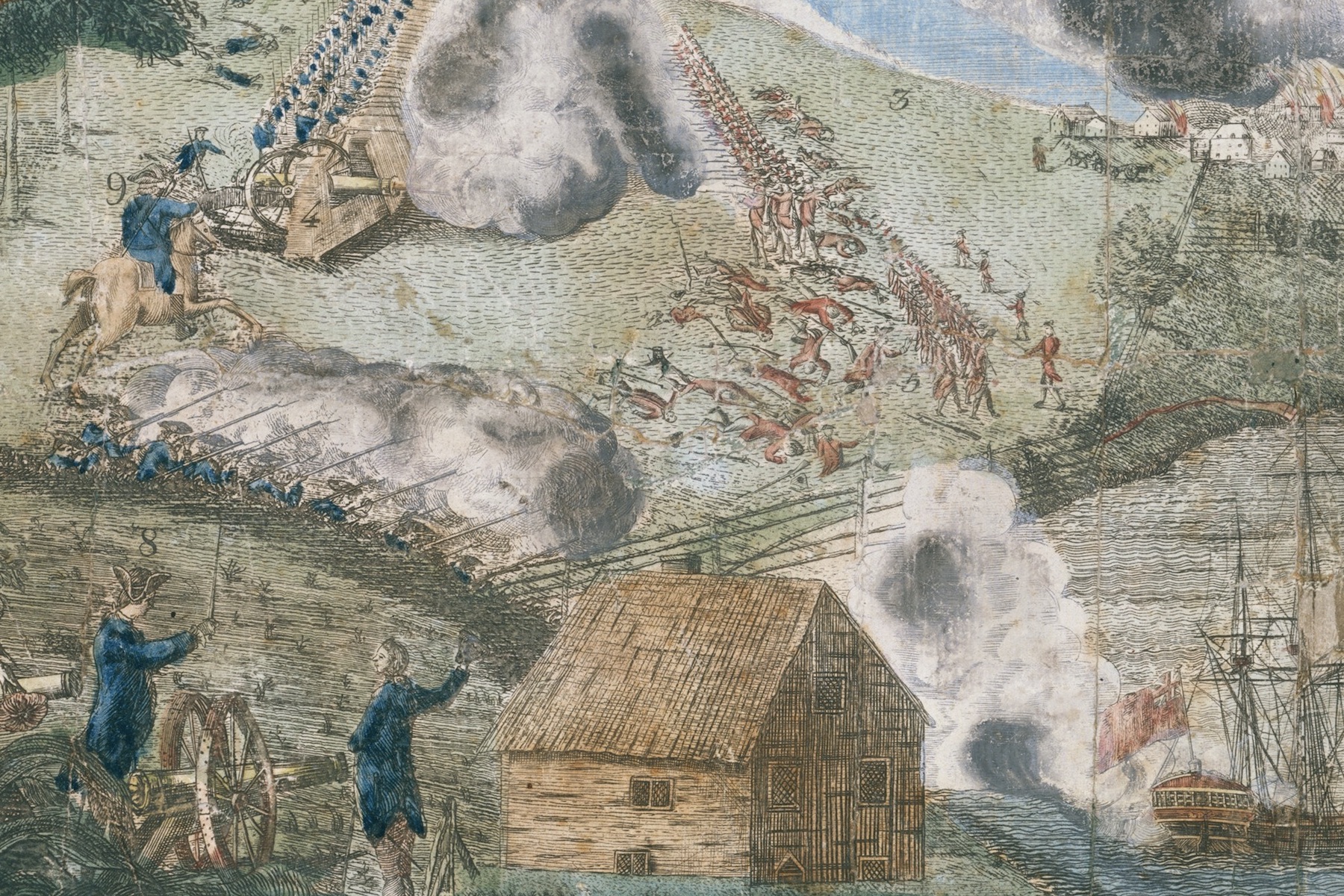
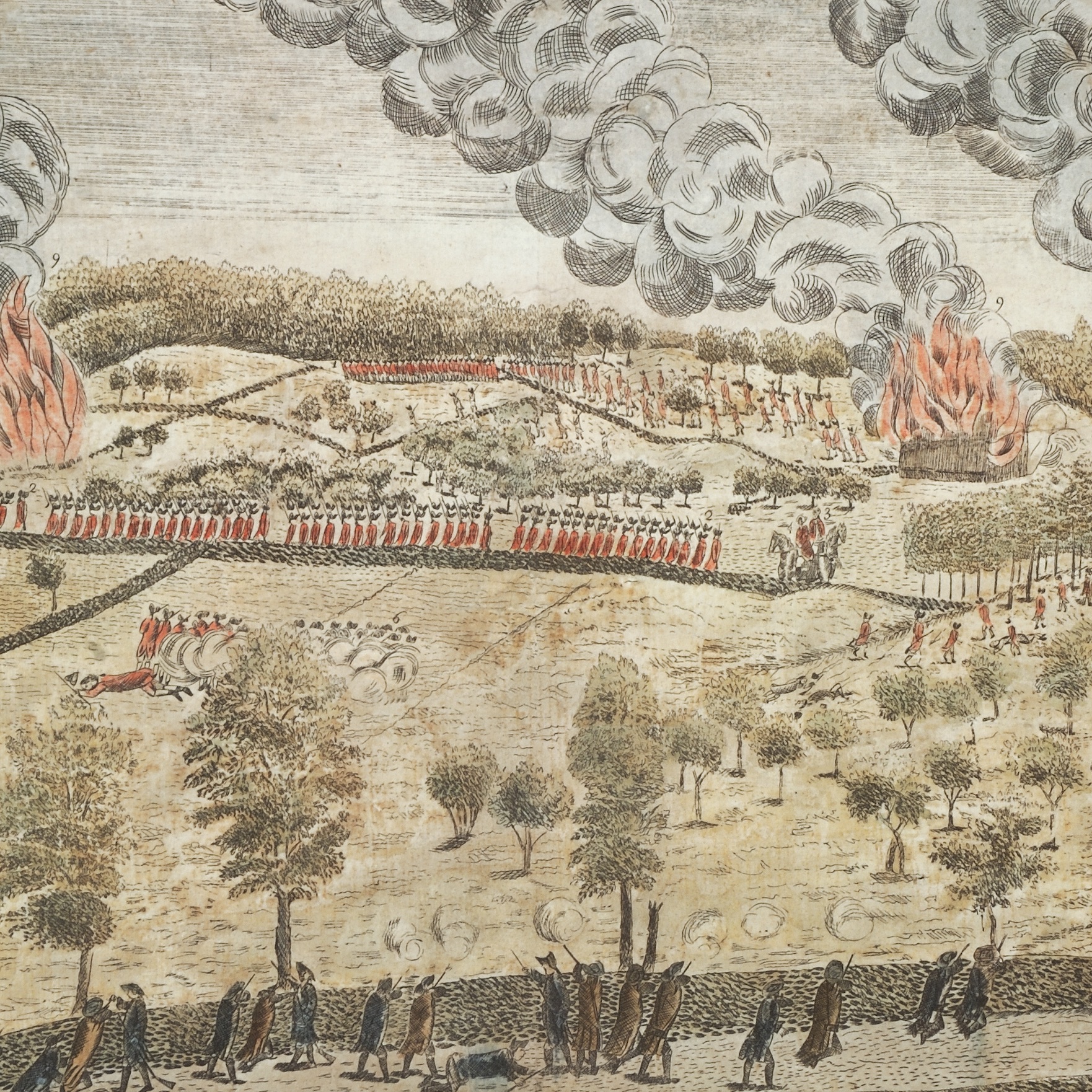
Imagining the Battle of Lexington

What did the Battle of Lexington look like? Artists have shaped how we imagine the beginning of our Revolutionary War for the last 250 years.

Visions

Imagining the Battle of Lexington — Video Documentary

This video was produced by Cana Academy as a special presentation in its History250 series — an outstanding collection of short documentaries on the American past. For more documentaries in this series go to History250.

This is a photograph taken a few seconds after the 1903 Wright flyer took off on the first powered airplane flight.

People

Ebenezer Huntington’s Revolution

Ebenezer Huntington was a twenty-one-year-old idealist when he joined the American army a few days after Lexington and Concord. He was among the last officers to go home eight years later. In between he grumbled and threatened to resign several times, but his idealism always prevailed.


Events

A Revolution in Tar and Feathers

On a cold night in January 1774, Bostonians dragged John Malcom from his house and coated him with tar and feathers. His story illustrates the changing nature of colonial resistance — and popular outrage — on the eve of the American Revolution.


This is a photograph taken a few seconds after the 1903 Wright flyer took off on the first powered airplane flight.

Commentary

Liberty Enlightening the World

A French member of the European Parliament recently suggested the United States return the Statue of Liberty if we no longer believe in the ideals it symbolizes. He should reflect on the ideals of the man who imagined the statue. So should we.


This is a photograph taken a few seconds after the 1903 Wright flyer took off on the first powered airplane flight.

People

The Elusive Peter Hunter

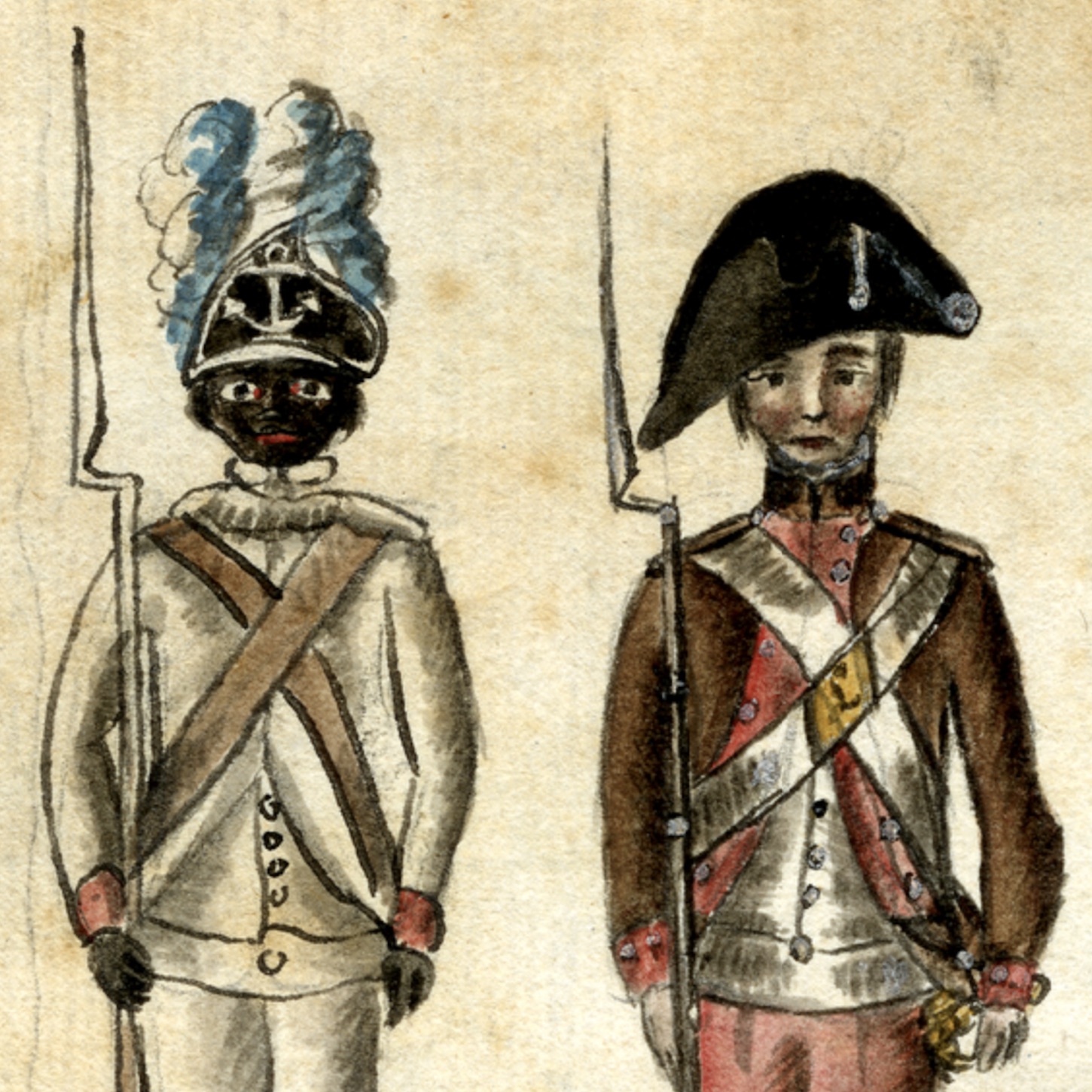
The story of Peter Hunter, one of thousands of black soldiers of our Revolutionary War, challenges us to recover the evidence of their courage and their commitment to freedom.
 

This is a photograph taken a few seconds after the 1903 Wright flyer took off on the first powered airplane flight.

Events

The Enduring Importance of  the American Revolution

The American Revolution is our national epic. It secured our independence, established our national identity, created our republic, and committed our nation to ideals that have shaped our history.

Ideas

Finding Common Ground

Andrew J. Zwerneman

A distinguished educator urges us to embrace historical study to recover our moral bearings. We should approach the past sympathetically, recognizing suffering with empathy and regret but focusing on the good — the basis of creativity, improvement, and hope.


This is a photograph taken a few seconds after the 1903 Wright flyer took off on the first powered airplane flight.
Departments
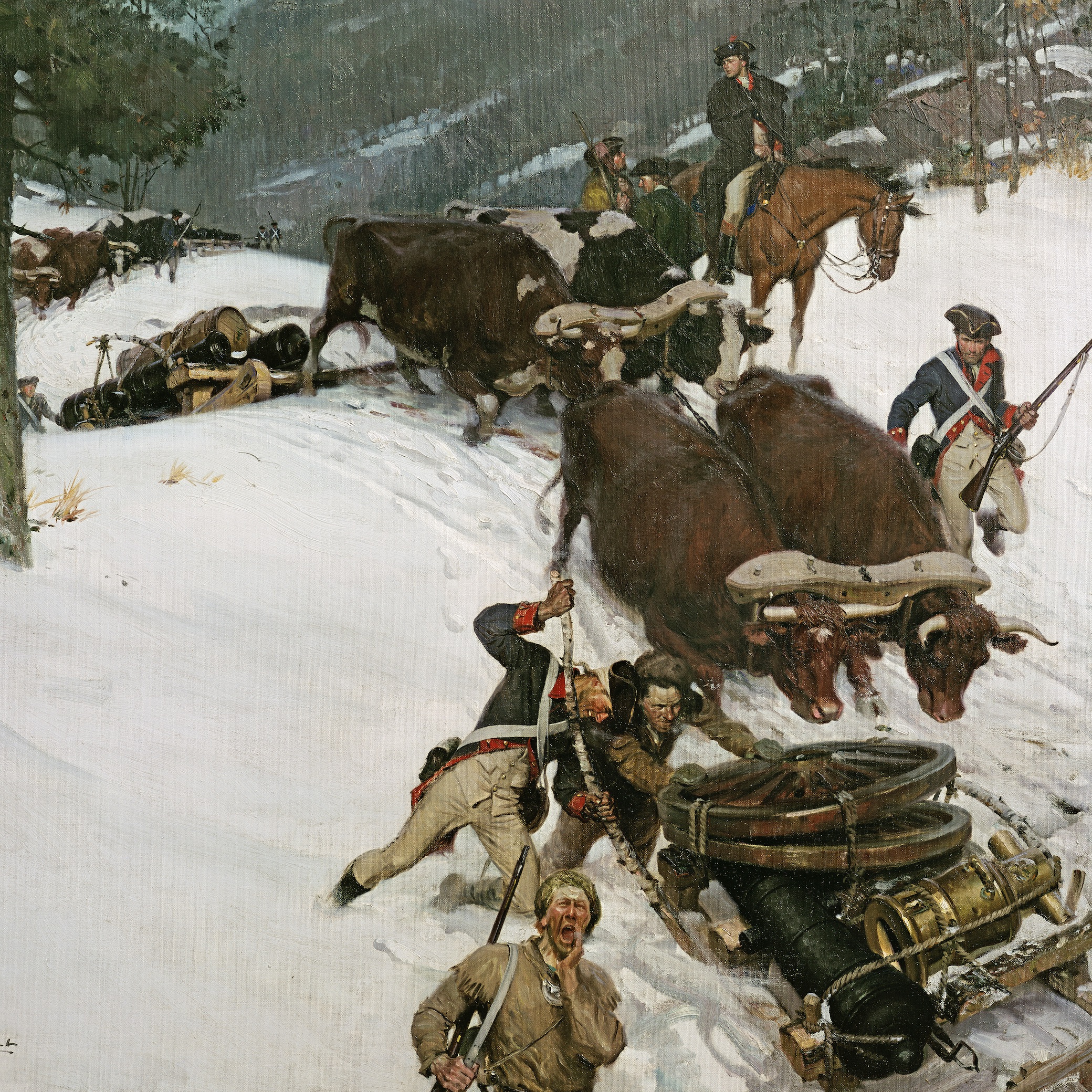
This is a modern painting of a black soldier of the light infantry of the Sixth Connecticut Continental Infantry, wearing the distinctive light infantry leather cap. While not a portrait of Jeffrey Brace — a light infantryman in the regiment — it is probably as close as we can come.

Ideas

Getting Right with the Declaration of Independence

The Declaration is our manifesto of national purpose and should be at the center of American history education.
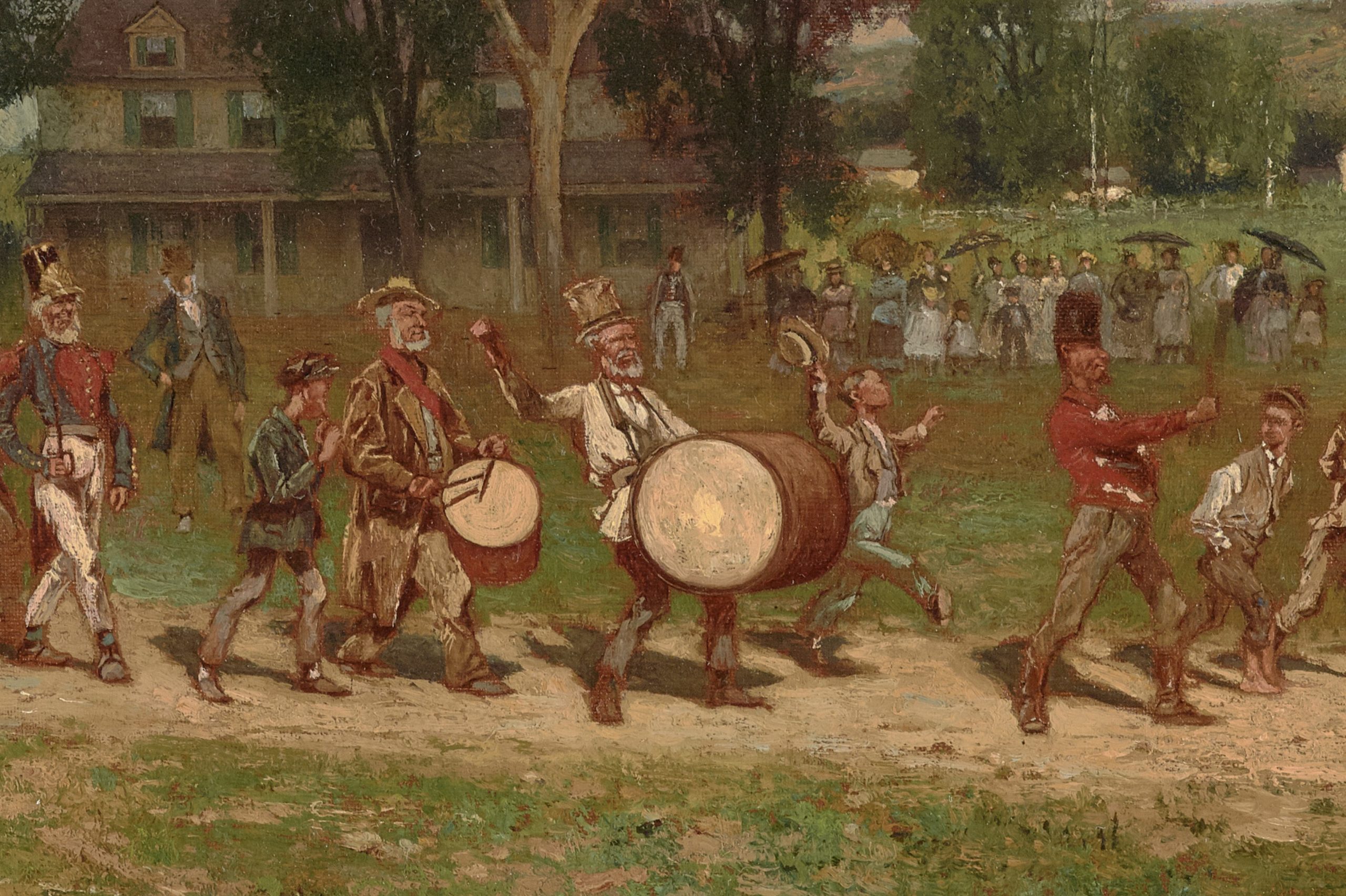
In this 1863 photograph, citizens of Gettysburg and others, including a little dog, watch the procession to the cemetery where Abraham Lincoln delivered the Gettysburg Address.

People

The Secret of Flight

Many people thought heavier-than-air flight was a fantasy until Wilbur and Orville Wright learned how to fly. How did they do it?
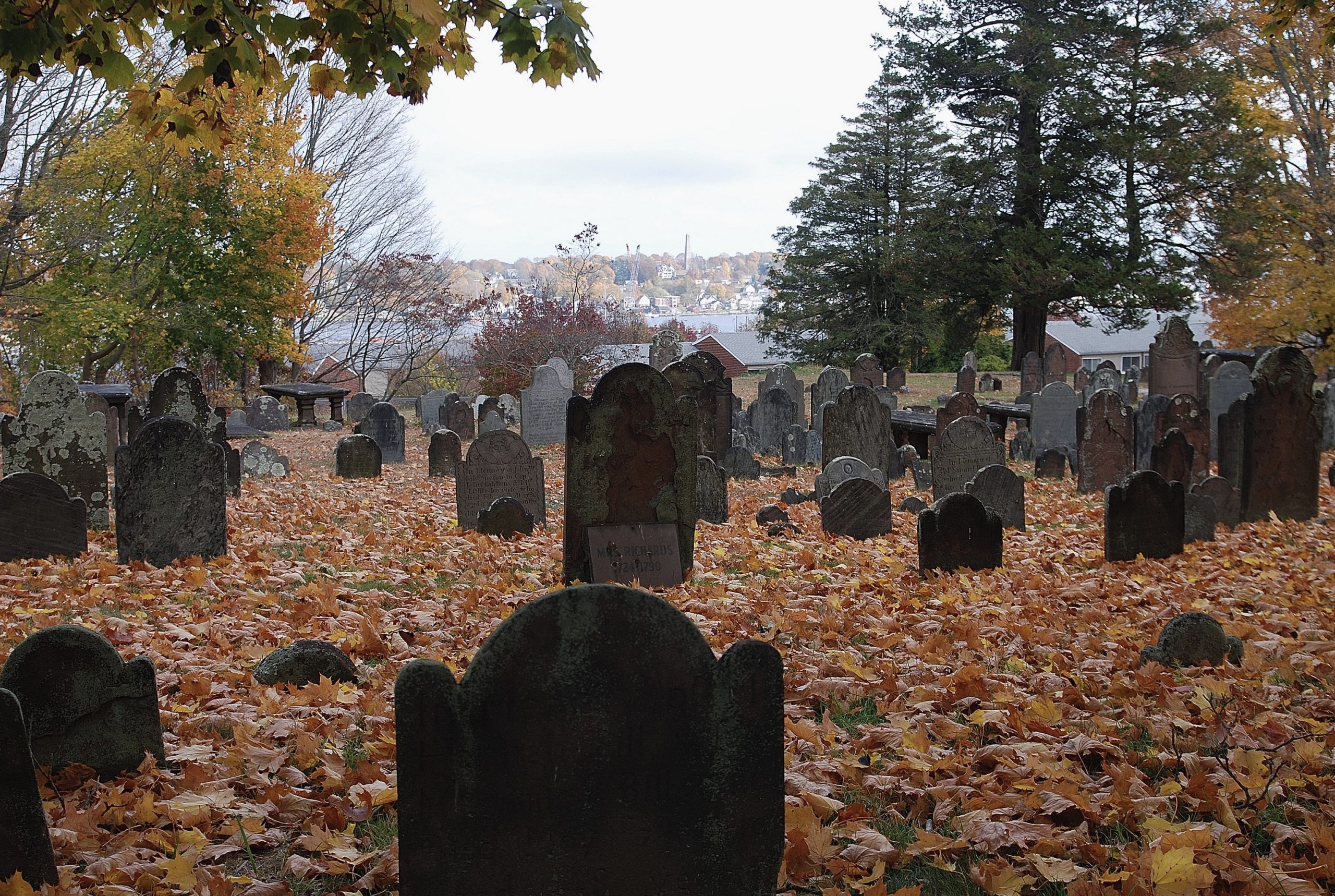
The gravestone of Nicholas Starr is one of many memorializing the victims of the Fort Griswold massacre.

How We Know

The Shooting of Theodore Roosevelt

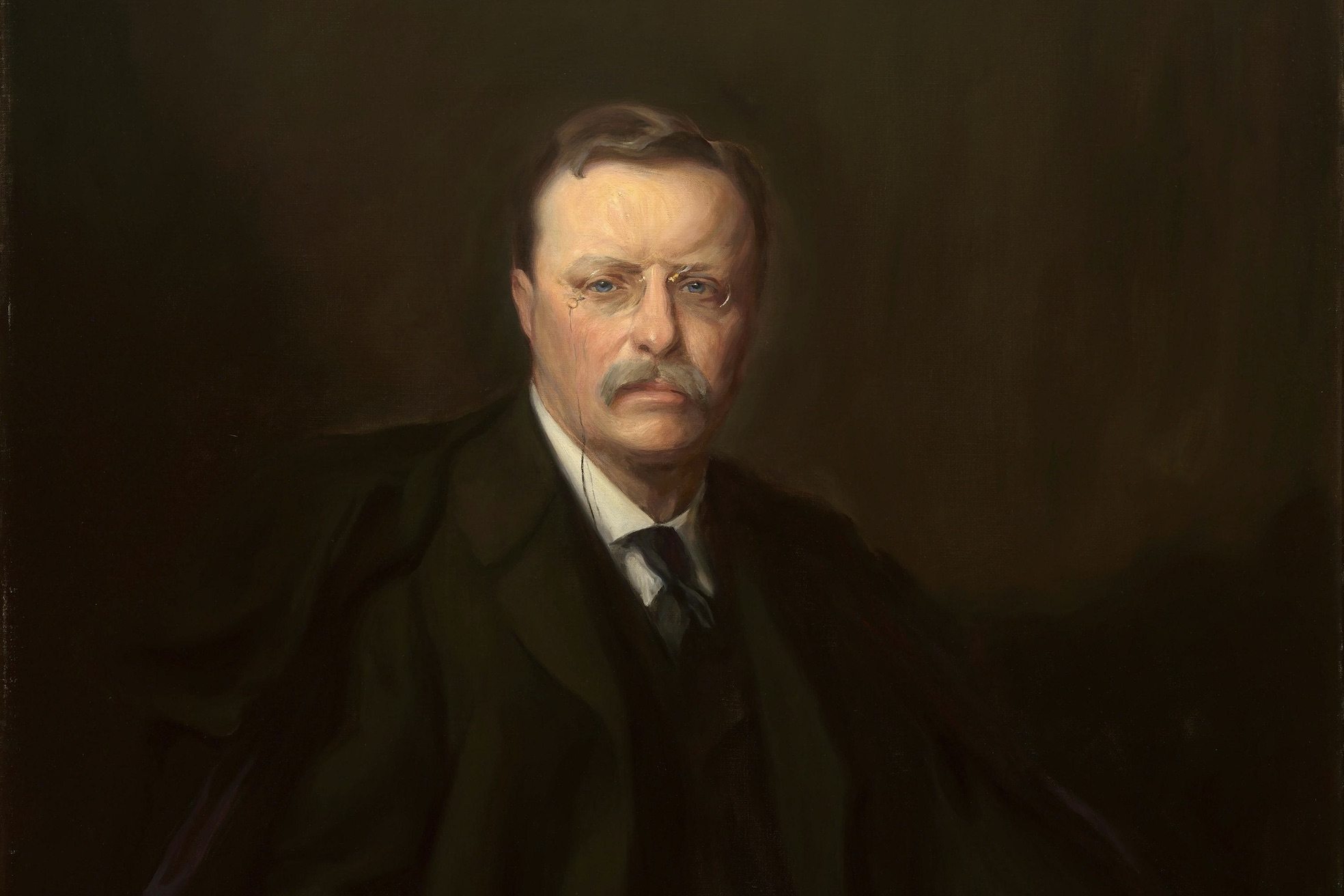
Theodore Roosevelt was shot while campaigning for president in 1912 — a consequence of the increasingly public, democratic nature of presidential politics.

Why The American Crisis?

Our nation is facing a crisis of confidence in our ideals and institutions, of commitment to our country, and of understanding and appreciation of our shared history — a crisis that threatens our republic, our national identity, and the freedom we should all cherish.

We believe renewed understanding of our shared past is vital to our future. We draw inspiration from Thomas Paine’s The American Crisis. At a desperate time in our Revolution, he called on Americans to face the nation’s challenges together. “Tyranny, like hell,” he wrote, “is not easily conquered; yet we have this consolation with us, that the harder the conflict, the more glorious the triumph.” Our aim is to address the crisis of our time with that determined spirit, encourage interest in our rich history, and renew commitment to our highest ideals.
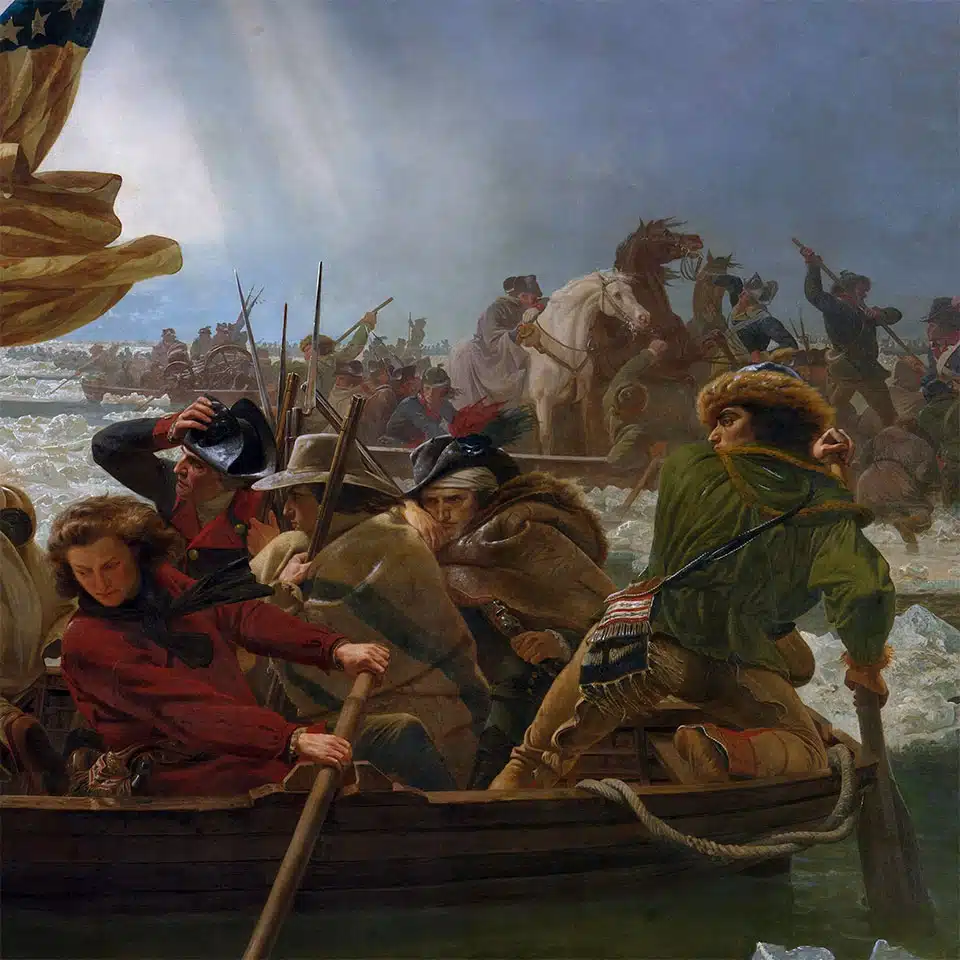
Emanuel-Leutze,-Washington-Crossing-the-Delaware,-MMA-(detail)
Archive

The American Crisis is an independent publication of The Foundation of American Ideals. We publish new essays and articles weekly, including feature articles and shorter pieces in our departments — Commentary, People, Events, Ideas, Places, How We Know, Visions, News, Reviews, and From the Editor. You can find all of our articles and essays in the Archive — just scroll left or right through the carousel.

Verrazzano's America

Five hundred years ago Giovanni da Verrazzano became the first European to explore the Atlantic coast of what would become the United States and leave us with a personal account of the places and people he encountered. He concluded that America was “another world” unlike Europe, Africa, or Asia.

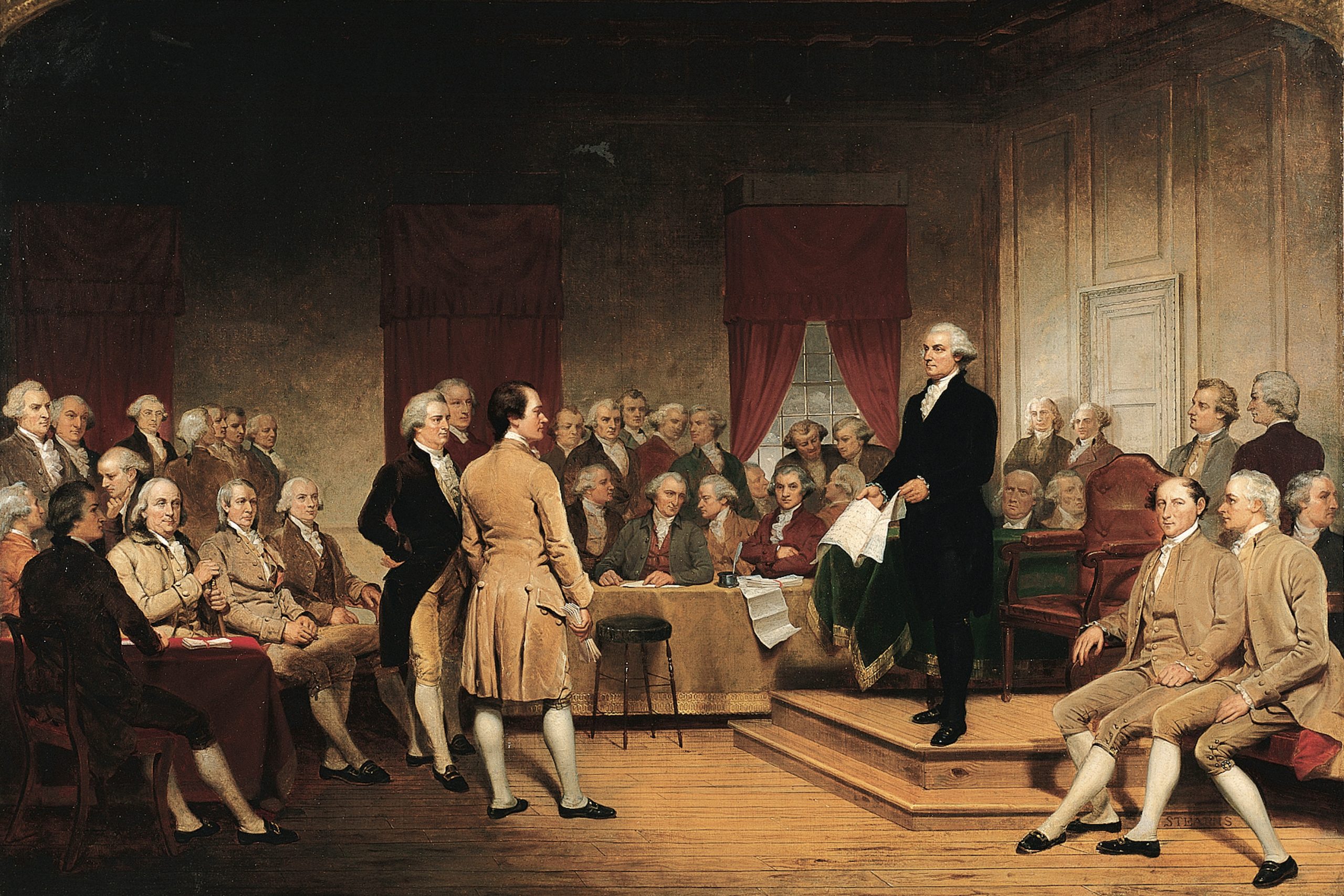
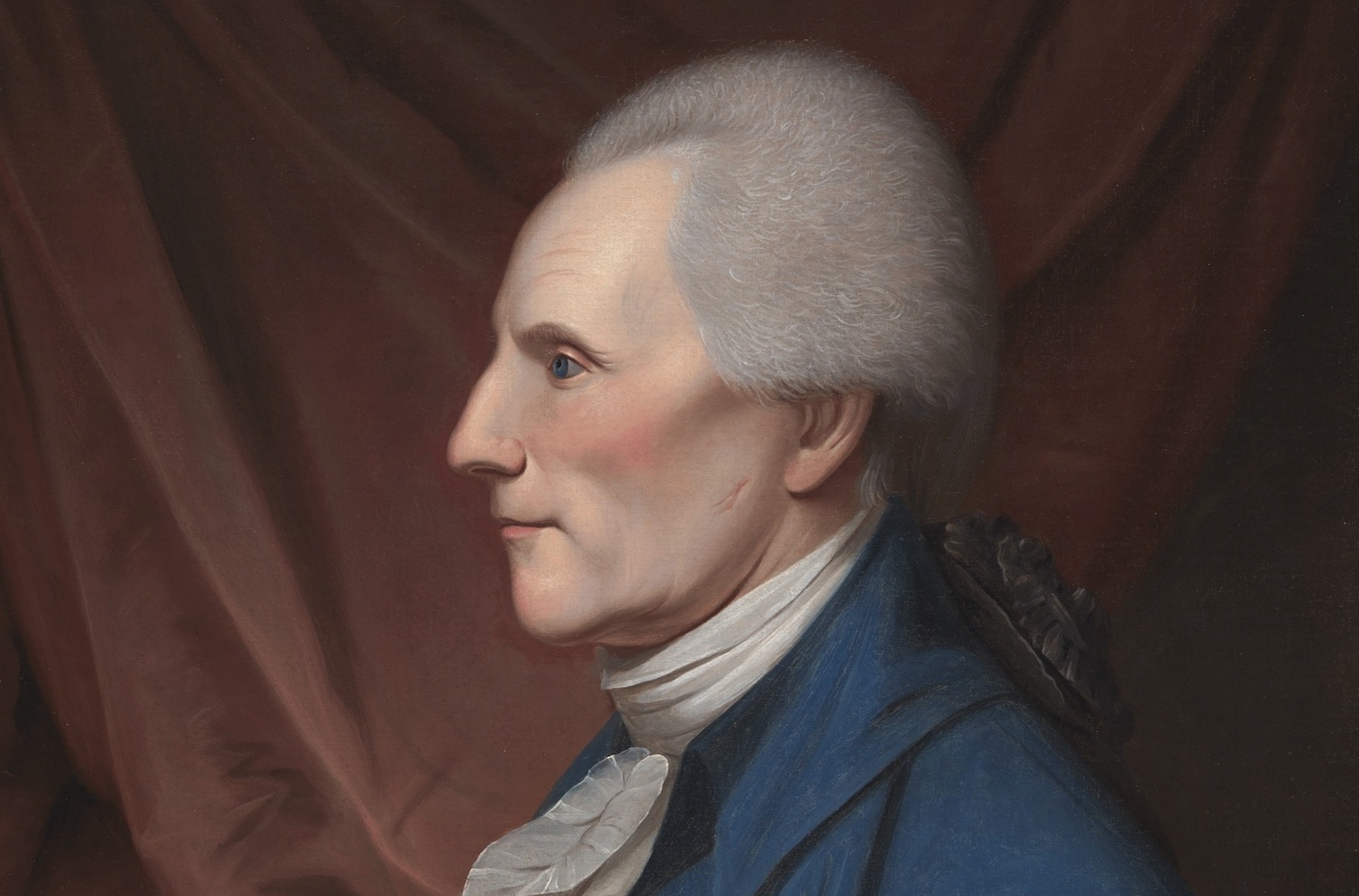
Richard Henry Lee, Gentleman Radical

Richard Henry Lee embodied the idealism and the internal contradictions of the American Revolution. Committed to popular sovereignty, he hoped the people would defer to gentlemen.

Plunket Fleeson, Revolutionary Upholsterer

A prosperous craftsman who serves the wealthy is an unlikely sort of revolutionary, but Plunket Fleeson was committed to American independence. Why?

George Washington and the Genealogist

George Washington knew very little about his family history until an English genealogist spurred his interest. Washington pretended not to care.

A Constitution for a Sovereign People

We grumble about the imperfections of the Federal Constitution without appreciating the revolutionary idea on which it is based — that the sovereign people, though not always well informed, will ultimately choose well.

Joseph Winter, Lone Wanderer

On a snowy night a week before Christmas, a painter named John Neagle encountered a homeless man living on the street in Philadelphia.

Decision in the Wilderness

The future of the Union was at stake in the Battle of the Wilderness. Now the future of the battlefield is at risk.

George Mason, Thoughtful Revolutionary

George Mason never sought fame, but he should be remembered as an influential advocate of natural and civil rights.

The Crisis at Manassas Battlefield

The future of Manassas battlefield is threatened by the world’s largest industrial data center, and, as always, our forgetfulness.

The Glorious Second of July

Before we declared our independence on July 4 we had to decide that we were independent. On July 2, 1776, we defied fear and doubt and became a nation.

Redeeming Higher Education

The National Association of Scholars has proposed an ambitious curriculum to combat the decline of higher education. It’s time for many more Americans to join this fight.

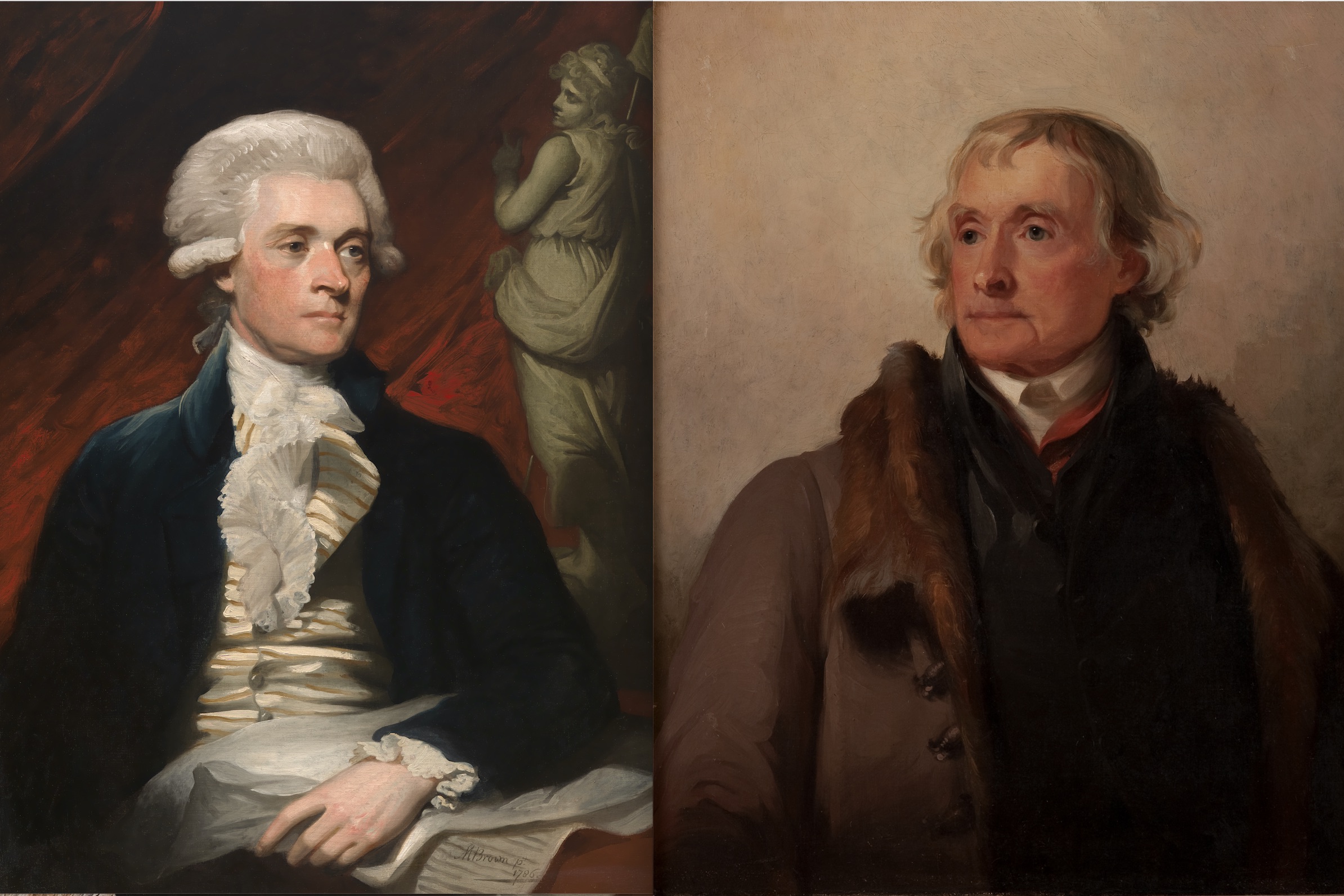
Thomas Jefferson and the Meaning of Self Government

Thomas Jefferson’s inauguration ushered in an era of laissez-faire founded on his confidence in the people’s ability to govern themselves.

Why We Honor George Washington

As we celebrate Washington’s Birthday at a time of crisis in our cultural life, we should reflect on what he did to merit such honor.

The Heroic Jeffrey Brace

Jeffrey Brace endured the inhumanity of enslavement and fought for his personal independence in the Revolutionary War. His story challenges us to fulfill the highest ideals of our Revolution.

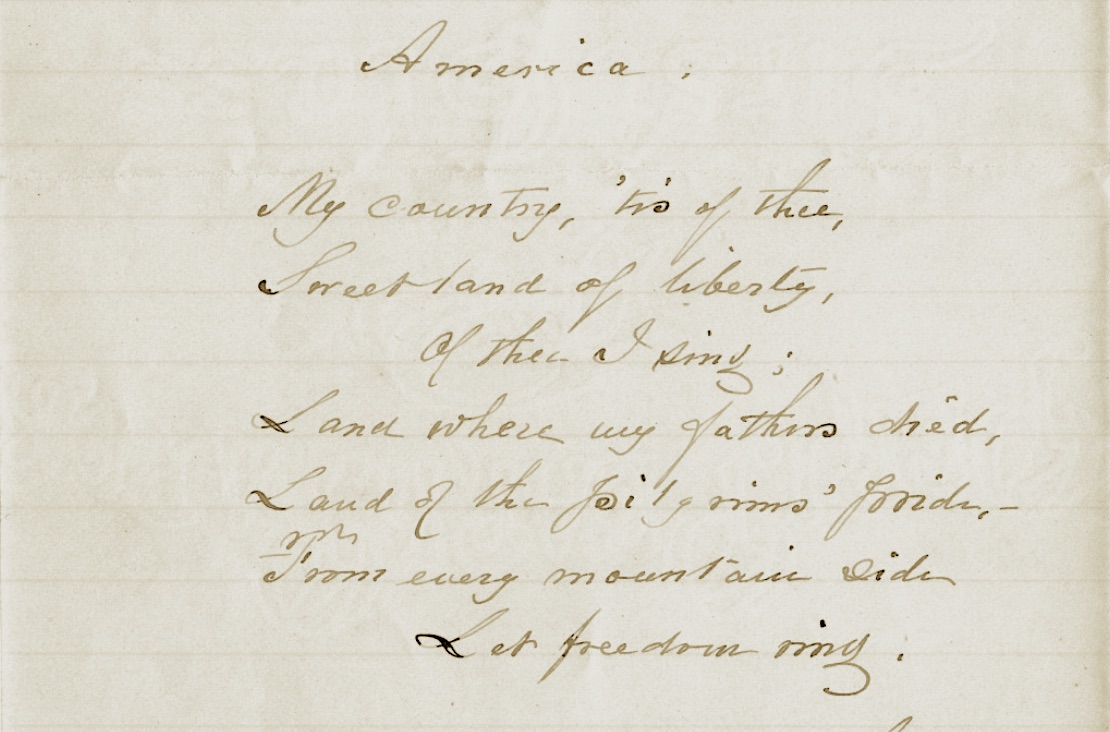
My Country, 'Tis of Thee

American patriotism is commonly misunderstood. It is not synonymous with nationalism. It is a piety that ties us together and embraces our ideals and finest traditions.

Move Along — Nothing to See Here

The American Historical Association says critics are wrong: history education isn’t compromised by ideology. But it doesn’t say why history education is failing.

Joseph Plumb Martin, Everyman

It’s not every man who can play Everyman, but Joseph Plumb Martin pulled it off with what looks like effortless ease. His Narrative of some of the Adventures, Dangers and Sufferings of a Revolutionary Soldier is one of the most insightful first-hand accounts of the Revolutionary War.

Margaret Corbin, Revolutionary

Liberty is usually depicted as a goddess in white. Margaret Corbin’s story suggests liberty ought to be personified as a woman in a tattered skirt and a torn shirt, her face black from burnt powder, her hands dirty and bloodstained, her expression angry, defiant, and determined.

Lessons from the Boston Massacre

On the night of March 5, 1770, a party of British soldiers shot and killed five Bostonians in an event known ever since as the Boston Massacre. The tragedy still has much to teach us.

New Report Exposes Failing U.S. History Courses

A new study finds that basic U.S. History survey courses in our universities no longer address fundamentals. Many are now devoted to persuading undergraduates that American history is a grim story of racism, oppression, violence, greed, exploitation, failure, and national decline.

Broken Officer

The first published depiction of the Battle of Bunker Hill may look fanciful, but it documents two real controversies.

Huckleberry Nation

Huckleberry Finn lost interest in Moses when he learned that the prophet had been dead a “considerable long time.” Huck knew a little history, but most of it was pretty garbled. Modern Americans are not much different, according to the latest assessment of history education.

Our Fathers

When Abraham Lincoln referred to “our fathers” in the Gettysburg Address, he wasn’t talking about famous statesmen. He was talking about ordinary Americans.

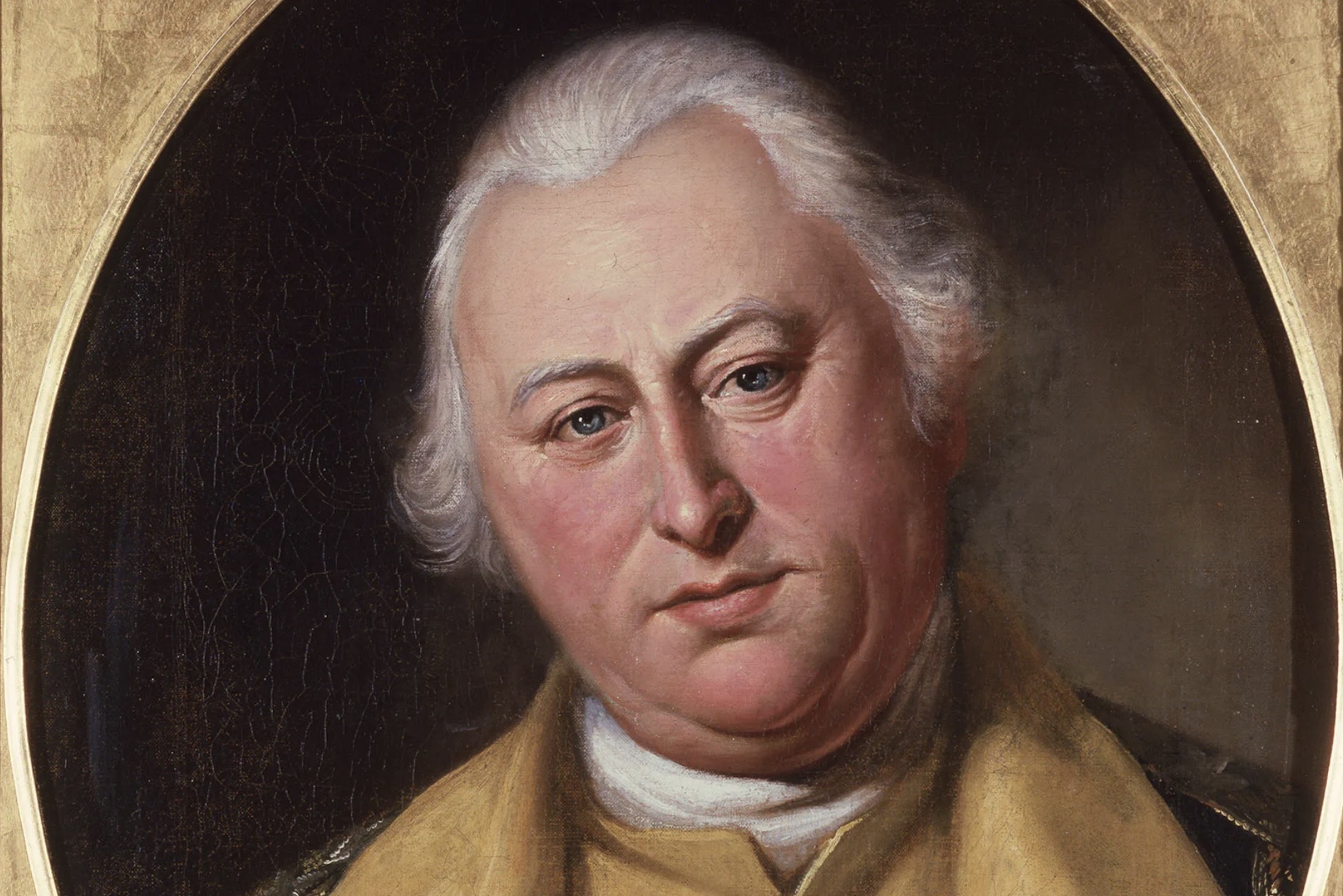
Benjamin Lincoln, Plain Republican

Benjamin Lincoln was a moderate in an age of passion and ideological tension who found the values  for which he risked his life expressed in the everyday life of his Massachusetts town.

The Fort Griswold Tragedy

A ferocious massacre marked the end of the Revolutionary War. How do we know what happened?

The Shot Heard Round the World

News of the American Revolution reached Japan after 1800. The first account of our republic — for which Japanese had no word — was published in 1845.

"I have not yet begun to fight!"

John Paul Jones personified courage. He also had an enormous ego. Did he really respond “I have not yet begun to fight!” when asked if he had surrendered? How do we know?

Join Us

Subscribe to The American Crisis

Subscribe to The American Crisis — at no charge — and receive email notices of new features, participate in our reader polls, and keep current with news and discussions about American history and public life.

The American Crisis presents original historical writing, commentary and reflection on public life inspired by American history and traditions, and news and opinion about the conservation of American ideals and the rich cultural and natural resources we have inherited and for which we are responsible.

We are advocates for understanding and appreciating the American past, for the preservation of historic places, and for accurate and effective history education.
Homepage Subscribe img

The Foundation of American Ideals

The Foundation of American Ideals advocates understanding and appreciation of independence, liberty, equality, natural and civil rights, and responsible citizenship — ideals at the heart of our national identity and shaped by our history and traditions.